
 Online Shop
Uncategorized
How Does Online Grocery Shopping Work?
Jun
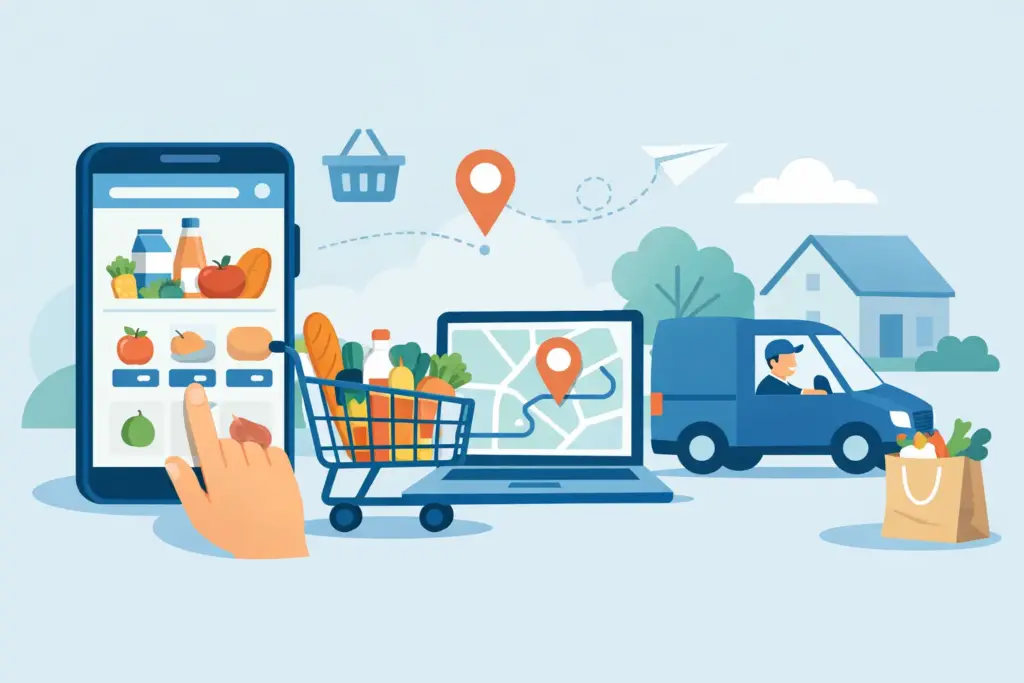
The weekly shop used to mean finding time, driving over, walking every aisle and hoping everything on your list was still in stock. Online grocery shopping changes that. If you have ever wondered how does online grocery shopping work, the short answer is simple: you browse supermarket products online, add what you need to your cart, choose pickup or delivery, pay securely and wait for your order to be prepared.
What makes it useful is not just the convenience. It is the ability to shop around your day, keep track of household spending and buy from a wide supermarket range without making a separate trip for groceries, baby items, cleaning products, frozen foods and everyday essentials.
How does online grocery shopping work in practice?
At its core, the process follows the same logic as shopping in-store. You still choose products, compare options and pay for what you want. The difference is that the shelves are digital and the packing is handled for you.
You start by visiting the online supermarket and browsing product categories or using the search bar. Most platforms group products clearly, so it is easy to move from pantry staples to fresh produce, household cleaners, snacks, health and beauty items or pet food. That matters for busy households because the goal is not just to buy one or two items. It is to complete as much of the shop as possible in one place.
Once you find what you need, you add products to your cart. The cart acts like your trolley. You can review quantities, remove items, compare prices and keep an eye on your running total before checkout. For many shoppers, this is one of the biggest advantages. It is easier to stay on budget when you can see exactly what you are spending as you go.
At checkout, you enter your delivery details or choose store pickup if that option is available. You then select a payment method and place the order. After that, the supermarket team picks and packs your items, preparing them for collection or shipping.
Browsing and choosing products
A good online grocery experience depends on clear product organisation. Shoppers want to get in, find what they need and finish the order without wasting time. That is why online supermarkets usually organise goods into practical categories based on real shopping habits.
For example, a family stocking up for the week may need rice, tinned foods, bread, milk, fresh fruit, meat, nappies, soap and dishwashing liquid in the same order. In a physical store, that means moving across multiple aisles. Online, it means switching categories in a few clicks.
Product pages usually show the item name, size, price and availability. Some also include brand details or packaging information. This helps when you are deciding between options or trying to reorder the same items you buy regularly. If you are shopping for a household rather than just yourself, that consistency matters. It saves time and avoids mistakes.
Fresh items need a little more consideration. People often wonder whether buying fruit, vegetables or frozen meat online is as reliable as choosing it themselves. The answer depends on the retailer. A trusted supermarket will have staff selecting products for quality and packing them appropriately. That does not remove every concern, but it does mean fresh and chilled categories can still be part of a practical online shop.
What happens after you place an order?
Once your order is confirmed, the work moves to the supermarket team. Staff review the order, locate each item and pack it according to product type. Dry groceries, frozen foods, chilled goods and fragile items are usually handled with care so they can be kept in suitable condition.
This stage is where online grocery shopping becomes more than a website. It is an operational service. The store needs accurate stock information, careful picking and a system for getting the order to the customer at the right time. If any item is unavailable, the retailer may remove it, update the order or in some cases offer an alternative depending on how the service is set up.
For shoppers, the benefit is simple. You are outsourcing the most time-consuming part of supermarket shopping – the walking, searching and queueing. Instead of spending an hour or two in-store, you spend a smaller amount of time building your order online.
Delivery and pickup options
One reason online grocery shopping appeals to so many households is flexibility. Not everyone wants the same fulfilment method. Some customers prefer delivery because it saves the most time and effort, especially for larger orders or busy family schedules. Others prefer pickup because it gives them more control over timing and may suit their route home from work.
Delivery usually involves choosing an address and waiting for the order within the retailer’s delivery schedule. That works well for households that want groceries brought directly to the home or office. It is especially useful when the order includes bulky items such as bottled drinks, cleaning supplies or larger packs of household goods.
Pickup works differently. The order is prepared in advance, and the customer collects it from a selected store or collection point. This can be a good option when you want the convenience of online ordering without waiting at home for delivery.
Neither method is better in every situation. It depends on where you live, how quickly you need the goods and what fits your routine. That is why a supermarket with both pickup and shipping options offers more practical value. RB Patel, for example, is built around making household shopping easier in exactly that way.
Payment, pricing and order totals
Paying online is usually straightforward. At checkout, the system shows your cart total and any applicable charges before you confirm the order. This visibility is one of the reasons many shoppers prefer buying groceries online. You can review the full amount before payment rather than discovering the total only when you reach the till.
Online pricing generally reflects the items selected on the website, and promotions may also appear within product categories or featured sections. That can help shoppers spot useful offers while still sticking to a list. The balance is important. Online shopping can reduce impulse buying, but only if the customer shops with purpose.
For regular household buyers, the real financial benefit is often control rather than deep discounts. You can reorder basics, avoid duplicate purchases and keep a better view of your weekly or monthly grocery spend.
Why more households choose to shop this way
The biggest reason is time. A digital grocery order can be placed early in the morning, during a lunch break or after the children are asleep. It fits around work and home life in a way that a physical supermarket trip often does not.
The second reason is convenience. A full-service online supermarket lets shoppers buy more than food. You can often pick up baby care, toiletries, pet supplies, cleaning products, bedding, confectionery and seasonal gifts in one order. That reduces the need to use multiple shops or make extra trips.
The third reason is range. In a strong online supermarket, shoppers can move from everyday essentials to occasion-based purchases without leaving the site. That is useful not only for weekly replenishment, but also for holiday shopping, gift vouchers or hamper orders when families want to sort out several needs at once.
There are, of course, trade-offs. Some people still prefer choosing every fresh item themselves. Others may need an order urgently and find that in-store shopping is faster on that particular day. Online grocery shopping is not about replacing every store visit forever. It is about giving households a more efficient option for routine buying.
How to make online grocery shopping easier
The best way to shop well online is to treat it like a planned household task rather than a quick browse. Start with the essentials, check quantities before adding repeat items and review your cart before checkout. If you shop for a family, think in terms of weekly use rather than single-meal purchases.
It also helps to use categories properly. Instead of searching randomly, move through the shop the way you would plan your household needs – pantry, chilled, frozen, produce, baby, cleaning and personal care. That makes it easier to complete the order in one go.
If you are new to the process, begin with a standard weekly shop. Once you get used to the system, online grocery shopping becomes less of a novelty and more of a reliable routine.
For busy households, that is really the point. A good online supermarket does not complicate shopping. It removes steps, saves time and helps you keep the home stocked without turning every grocery run into part of your day.