
 Online Shop
Uncategorized
How to Online Grocery Shop for Families
Jul
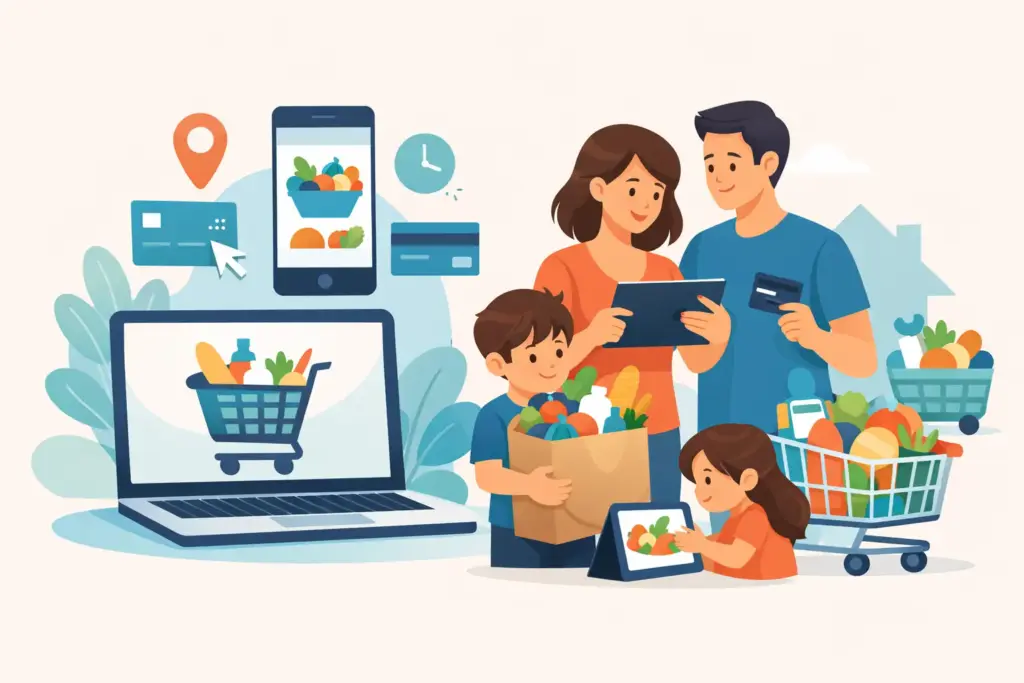
The weekly grocery run usually starts the same way – one child is out of cereal, someone needs lunchbox snacks, the fridge looks empty, and the household basics run low all at once. That is exactly why more households want to know how to online grocery shop for families in a way that saves time, controls spending, and keeps the kitchen properly stocked.
Online grocery shopping works best when it is treated as a household system, not a last-minute fix. For families, that matters. A single order often needs to cover fresh food, pantry staples, baby items, cleaning products, frozen goods, and those extra bits that are easy to forget until the evening meal is already being prepared.
Why online grocery shopping works for busy families
For a family household, convenience is only part of the benefit. The bigger advantage is visibility. When you shop online, you can see what is in your basket, compare quantities, check prices, and make decisions with less pressure than you might feel walking through a busy supermarket.
That usually leads to better planning. Parents and household decision-makers can shop around work, school runs, and weekend commitments instead of fitting everything into one crowded trip. It also becomes easier to split the order into real needs and optional extras, which can help keep the weekly total under control.
There is another practical benefit too. A full online supermarket gives families access to more than just groceries. You can often add household cleaners, toiletries, baby essentials, pet food, frozen meals, or even seasonal items in one order. That one-stop approach saves both time and repeat travel.
How to online grocery shop for families without overspending
The easiest way to overspend online is to shop without a plan. The easiest way to avoid that is to shop in layers.
Start with meals. Before you add anything to the basket, think about what your household will actually eat over the next seven days. Not ideal meals – real meals. If Monday is busy, you may need something quick. If Saturday is a home day, that may be the right time for a larger meal that uses more fresh ingredients.
Once meals are clear, add breakfast items, lunchbox products, snacks, drinks, and basic household supplies. This keeps the shop grounded in what the family needs, rather than what simply looks useful in the moment.
Budgeting is easier online because the basket total updates as you go. Use that advantage. If the total rises too quickly, review your basket before checkout. Premium items, duplicate products, and impulse treats are often the first places to adjust. That does not mean cutting quality every time. It means choosing where quality matters most for your household.
Families also benefit from setting a rough split across categories. Fresh produce, proteins, dry goods, freezer items, and non-food essentials each take a share of the budget. If one category becomes too heavy, you can rebalance before placing the order.
Build a repeatable family shopping routine
The most effective family grocery orders are rarely built from scratch every week. They are built from a repeat routine.
Start by keeping a household list during the week. When milk runs low, rice is nearly finished, or someone opens the last pack of nappies, add it immediately. That simple habit prevents the usual memory test at checkout.
Then separate your order into three groups: weekly staples, flexible meal ingredients, and occasional extras. Weekly staples are the items most families buy again and again, such as bread, milk, eggs, fruit, cereal, cleaning products, and lunchbox basics. Flexible meal ingredients depend on the week ahead. Occasional extras include entertaining items, seasonal treats, or household top-ups that are not needed every time.
This approach keeps the order practical. It also reduces the chance of missing essentials because the foundation of the basket stays familiar.
For larger households, it can help to assign input. One adult may manage the main list, while older children can mention school snacks, breakfast preferences, or personal care items that need replacing. It saves time later and reduces add-on trips.
Fresh, frozen and family essentials – shop by shelf life
One of the smartest ways to shop online for a household is by shelf life rather than aisle order.
Long-life pantry items should form the base of your order. Rice, pasta, flour, tinned goods, noodles, sauces, biscuits, cereal, and cleaning products give the household stability. When these are kept topped up, you are less likely to make urgent small shops that cost more over time.
Fresh items come next. Fruit, vegetables, dairy, bread, and chilled products need a little more thought because they are tied to timing, appetite, and how many meals will be cooked at home. A family that eats most dinners at home will need more fresh produce than one balancing packed schedules and convenience meals.
Frozen goods are where many families save time. Frozen vegetables, meat, seafood, chips, ready meals, and quick dinner options help fill the gap between a well-planned week and a realistic one. They also reduce waste, which matters when plans change.
Household essentials deserve the same attention as food. Toilet paper, washing powder, dishwashing liquid, soap, shampoo, baby care, and pet supplies are the items that create frustration when forgotten. A good online grocery order should solve that problem, not add to it.
Make substitutions work for your household
Substitutions can be helpful or annoying. It depends on the product.
For basic pantry goods, a reasonable substitute is often fine. If a standard pack of pasta or a similar brand of tinned tomatoes is available, most families can work with that. For specific baby products, dietary items, or brand-sensitive products, substitutions may not be suitable.
The practical approach is to decide where flexibility makes sense. Fresh produce may be easier to substitute than allergy-friendly snacks. Household cleaners may be more flexible than infant formula. When you know which items matter most, the order is easier to manage.
This is one reason a trusted online supermarket matters. Consistent range, clear product categories, and reliable fulfilment make family shopping simpler because there is less guesswork involved.
Timing matters more than people think
When families ask how to online grocery shop for families efficiently, timing is often the missing piece.
Do not wait until the cupboards are empty. Place the order with enough lead time to avoid stress buying. A planned weekly or fortnightly schedule usually works better than a reactive one, especially for larger households.
It also helps to think about delivery or collection around your routine. If you are choosing pickup, place the order for a time that fits naturally into your day rather than adding another rushed stop. If you are choosing shipping, make sure someone can receive the order properly, especially where chilled or frozen products are involved.
There is no single right pattern. Some families do one major order each week and use it to cover nearly everything. Others place a larger pantry and household order, then top up fresh items separately. The better option depends on storage space, family size, and how predictable your week tends to be.
Use category shopping to move faster
Online grocery shopping becomes much easier when you avoid browsing without direction. Search and category filters are useful because they help you move through the order with purpose.
Begin with pantry and household basics, then move to chilled and frozen goods, then finish with snacks, drinks, and extras. That order keeps your spending focused on essentials first. It also reduces the habit of filling the basket with convenience items before the main needs are covered.
A broad supermarket range is especially useful here. Families often need to buy across many categories in one session, from fresh produce and meat to toiletries, cleaning supplies, confectionery, and baby care. When everything sits in one place, the process becomes more efficient. That is a big part of why shoppers choose established retailers such as RB Patel Group for regular household buying.
Keep the order realistic, not perfect
The best family grocery order is not the one with the healthiest plan, the neatest list, or the lowest possible total. It is the one that your household will actually use.
That means making room for real life. Quick dinners have value. Familiar snacks have value. A few easy freezer items have value. So do products that save time on school mornings or late workdays.
Families do well when online shopping supports the week they are actually going to have, not the week they hope to have. If the basket reflects your routine, your budget, and your household needs, you are doing it properly.
A good grocery order should leave your home feeling prepared, not pressured. Keep it simple, keep it repeatable, and let convenience do the heavy lifting.