
 Online Shop
Uncategorized
Weekly Online Grocery Shopping List Tips
Jul
The midweek scramble usually starts the same way – no milk left for tea, lunchbox snacks running low, and dinner needing a last-minute substitute. A weekly online grocery shopping list helps stop that pattern. It gives you a clear plan for food, household basics and family essentials, so you can shop once, shop properly and get on with the week.
For busy households, the real value is not just convenience. It is consistency. When your list is built around what your home actually uses, online grocery shopping becomes faster, easier to manage and less likely to lead to forgotten items or duplicate purchases. That matters whether you are stocking up for a couple, a growing family or a home with children, pets and a packed work schedule.
Why a weekly online grocery shopping list works
A good shopping list does two jobs at once. First, it covers the essentials you need for the next seven days. Second, it gives structure to your spending. Without a list, it is easy to buy too much of one category and miss another completely.
Online shopping makes this even more useful because you can review your basket before checkout. That gives you a better view of total cost, quantity and whether you have balanced fresh items with longer-lasting staples. You can adjust quickly rather than discovering gaps when you get home.
There is also less guesswork. If your household tends to use bread, eggs, fruit, cleaning products and baby supplies on a regular cycle, adding them to a weekly routine keeps replenishment simple. You do not need to rethink the entire shop every time.
Start with your household routine
The strongest weekly online grocery shopping list is based on habits, not good intentions. If you build a list around ambitious meal plans that nobody follows, it often leads to waste. It is better to start with what your household already eats and uses consistently.
Look at the week ahead in practical terms. Count how many breakfasts, lunches and evening meals you need to cover at home. Consider school lunches, work-from-home days, quick dinners after sport, and whether you are expecting guests. A week with two late evenings will need different food from a week when more meals are cooked from scratch.
It also helps to think in household zones. The kitchen is only one part of the shop. Bathrooms, laundry, baby care, pet care and basic health items all affect whether the week runs smoothly. A list that covers only food may still leave you making an extra trip for washing powder, toothpaste or nappies.
Build your list by category
Shopping by category is usually the fastest way to stay organised online. It keeps your basket balanced and reduces the chance of missing basics.
Fresh food for everyday meals
Fresh produce should be selected with your real week in mind. Choose fruits and vegetables you know your household will eat before they spoil. If you cook often, you may want a wider mix. If your schedule is busy, practical staples such as onions, tomatoes, potatoes, bananas, lettuce and easy lunchbox fruit may be the better choice.
Dairy and chilled products also need a sensible balance. Milk, yoghurt, cheese, butter and eggs are common weekly items, but quantities depend on your household size. A family with children may go through these far faster than a couple or a single shopper.
Pantry staples that stretch meals
Dry goods do a lot of the heavy lifting in a weekly shop. Rice, flour, pasta, noodles, cereals, canned vegetables, canned fish, sauces, biscuits, tea, coffee and spreads help turn a short list of fresh ingredients into several meals.
This is also where online shopping can save time. Pantry items are easy to repeat, and once you know your preferred pack sizes, the shop becomes more efficient. Still, it is worth checking cupboards first. Staples often create accidental overspending because they are bought before the previous pack is finished.
Frozen items for flexibility
Frozen vegetables, meat, seafood and ready-to-cook foods can make a weekly list more practical. They give you backup for nights when plans change or fresh items run low. For many households, frozen goods are what stop takeaway becoming the default on a busy evening.
The trade-off is storage space. If your freezer is already full, adding more value packs may not help. A smart list matches what you can actually store and use.
Household and personal care essentials
Cleaning products, toilet paper, soap, shampoo, dishwashing liquid and laundry items are easy to forget because they are not part of meal planning. Yet these are often the items that cause the most inconvenience when they run out.
A quick stock check before ordering makes a difference. The same applies to baby essentials, health and beauty products, and pet food. These categories are ideal for planned weekly or fortnightly replenishment because they are predictable and easy to monitor.
How to avoid overbuying online
Online grocery shopping is efficient, but it can also encourage extra spending if you add items too quickly. The best way to stay in control is to build your basket in stages.
Start with must-haves. Add the items your household genuinely needs for meals, hygiene and routine use. Once that core basket is in place, review what is left in your budget before adding treats, convenience foods or seasonal extras.
It also helps to separate wants from useful add-ons. A family pack may offer value, but only if it will be used before expiry. A promotional item may be appealing, but not if it pushes out essentials. Saving money is not only about lower prices. It is also about buying with purpose.
Keep a reusable base list
One of the easiest ways to shop faster each week is to keep a reusable core list. This is your household standard – the items that appear regularly because they support everyday routines.
That might include bread, milk, eggs, rice, cooking oil, onions, lunchbox snacks, soap, washing powder and pet food. Once that base is clear, each weekly shop only needs a few changes for fresh produce, meal ideas or special occasions.
This approach is especially useful for working adults and families. Instead of starting from scratch, you make small adjustments around a proven list. It saves time and reduces the mental load of planning.
Adjust for children, guests and special weeks
Not every week looks the same. School holidays, birthdays, family visits and festive periods change what a normal grocery order looks like. A good list is consistent, but not rigid.
If children are home more than usual, snack foods, drinks and simple lunch items may need to increase. If guests are visiting, you may need extra breakfast goods, beverages, meat, desserts or cleaning supplies. If there is a celebration coming up, it makes sense to combine your routine shop with gift items, sweet treats or table essentials rather than placing separate orders.
This is where a full online supermarket range becomes useful. It allows households to handle regular groceries and extra needs in one order, which is often simpler than splitting the shop across different retailers.
Make your weekly online grocery shopping list easier to manage
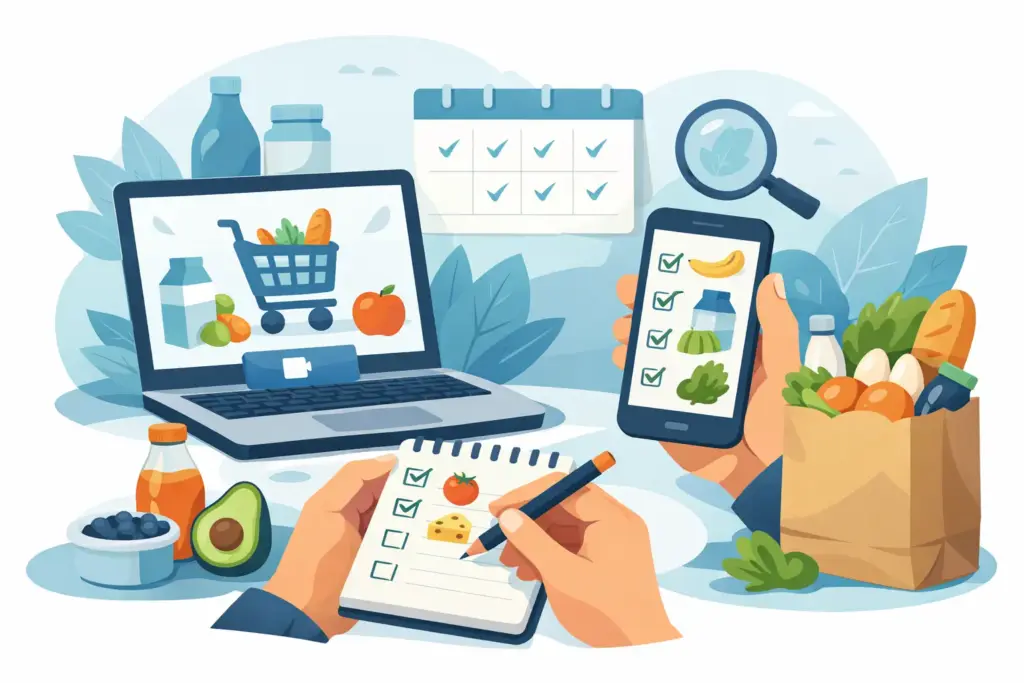
The most effective system is usually the simplest one. Keep a note on your phone or in the kitchen where family members can add items as they run low. Then check cupboards, fridge, freezer and bathroom shelves before placing the order. That small habit makes the final basket more accurate.
It is also worth reviewing what did not get used the previous week. If salad leaves keep being thrown away or a certain snack stays untouched, adjust the next order. A better list is built over time. It reflects what your household actually consumes, not what looked useful in the moment.
For households in Fiji looking for one-stop convenience, broad product choice and a faster way to manage weekly essentials, RB Patel makes that process straightforward. The goal is simple: save time, stay stocked and keep the week running with less effort.
A well-planned grocery list does more than fill the pantry. It gives your household a steadier week, with fewer last-minute shortages and fewer unnecessary extras in the basket.