
 Online Shop
Uncategorized
Weekly Meal Planning Groceries Made Simple
Jul
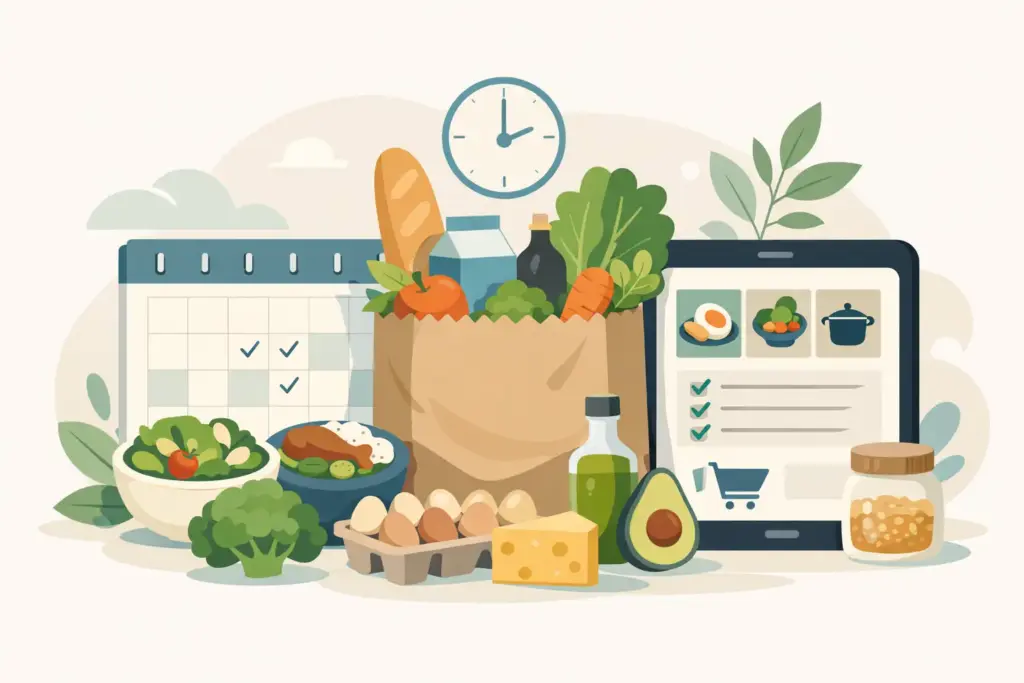
The quickest way for a household food budget to slip is not usually one large purchase. It is the extra bread run, the missing lunchbox item, or the late-afternoon question of what is for dinner. Weekly meal planning groceries give you a clearer answer before the week starts, helping you buy what your family will use and reduce unnecessary trips to the supermarket.
A good plan does not need seven complicated recipes or a perfectly colour-coded cupboard. It needs a realistic view of your week, a few meals everyone will eat, and one complete shop that covers food, household supplies and the small essentials that are easy to forget.
Start weekly meal planning groceries with your real week
Before adding anything to your basket, look at the days ahead. Consider work schedules, school activities, visitors, payday, and the evenings when cooking time will be limited. A meal that takes an hour to prepare may work on a quiet Sunday, but a busy weekday may call for a quick stir-fry, sandwiches, eggs on toast, or a freezer option.
Plan for five or six evening meals rather than forcing a different meal every night. One night can cover leftovers, a family gathering, takeaway, or a meal made from cupboard staples. This small amount of flexibility is useful because fresh produce, appetite and plans can change during the week.
Choose meals that share ingredients. If you are buying onions, tomatoes, carrots and chicken, use them across more than one meal. For example, chicken can work in a curry, wraps and fried rice. Vegetables can be served as sides, added to pasta sauce, or used in lunchboxes. Buying with overlap keeps the basket practical without making meals repetitive.
Build meals around what your household already enjoys
The best meal plan is one that gets eaten. Start with familiar family favourites, then add one new meal if you want variety. Parents can make this easier by choosing meals with adjustable components: serve a curry with rice and vegetables separately, for instance, or place fillings on the table for wraps so everyone can choose what they like.
Check the fridge, freezer and pantry before shopping. You may already have rice, pasta, flour, tinned tomatoes, spices or frozen vegetables. Planning around these items prevents duplicates and gives overlooked ingredients a purpose.
Create one organised grocery list
A weekly list should cover more than dinner ingredients. It should include breakfast, lunches, snacks, drinks and the household items that keep daily life moving. Shopping online makes it easier to review categories and add items as you remember them, rather than relying on memory while walking through the store.
Organise the list by how your household uses products. Fresh fruit and vegetables, meat and frozen foods, pantry staples, dairy, bakery, baby needs, cleaning products and personal care are sensible sections. This approach also makes it easier to spot gaps. You may have planned dinners, for example, but forgotten breakfast cereal, dishwashing liquid or pet food.
For a typical family shop, think through these four areas before checking out:
- Meals and packed lunches, including breakfast food, fruit, snacks and drinks.
- Fresh ingredients, with enough variety for the first part of the week and longer-lasting choices for later days.
- Pantry and freezer back-ups, such as rice, pasta, tinned goods, frozen vegetables and easy meal options.
- Household essentials, including laundry products, toilet paper, cleaning supplies, toiletries and baby items where needed.
Keep a running list during the week. When the last of something is opened, add it straight away. This simple habit is more reliable than trying to remember everything on shopping day.
Buy fresh food in the right quantities
Fresh food is often where planning makes the biggest difference. Buying too little leads to another shop; buying too much can mean waste. The right amount depends on household size, lunch habits, storage space and how often you eat out.
Choose a mix of produce with different shelf lives. Leafy vegetables, berries and soft fruit are best planned for earlier in the week. Potatoes, onions, pumpkins, carrots, apples and citrus fruit usually give you more flexibility. If your schedule is uncertain, frozen vegetables and fruit can be useful additions. They provide convenience without the pressure to use everything immediately.
For meat, fish and poultry, portioning matters. Buy for the meals you have planned, then freeze any items you will not use within a few days. Label portions if your freezer is busy, particularly when buying larger packs. This keeps future meal planning easier and helps avoid defrosting more than you need.
It is also worth allowing for Fiji’s warm conditions when planning fresh groceries. Store chilled and frozen items promptly, keep fruit and vegetables correctly separated where appropriate, and avoid leaving perishable foods out for extended periods. Good storage protects both value and quality.
Make room for convenience without losing control of spending
Convenience foods have a place in a sensible grocery plan. A frozen pizza, ready-made sauce, pre-cut vegetables or a simple snack can save a difficult evening from becoming an unplanned, more expensive purchase. The key is to choose these items deliberately rather than adding them without a plan.
Set aside two or three convenience options for the week. They are especially useful for late workdays, sick days, school events or when a planned meal needs to change. Pair them with easy sides already on the list, such as salad ingredients, bread or frozen vegetables.
Value is not always the lowest shelf price. A larger pack can be worthwhile when your household uses the product regularly and has room to store it. It is less useful when it sits unused until it expires. Compare pack sizes, check what you already have, and buy in bulk mainly for dependable staples such as rice, cereal, long-life milk, toiletries or cleaning products.
Use a simple budget check before payment
Before placing an order, review the basket in three passes. First, confirm the ingredients for planned meals are present. Next, check the essentials that cannot wait until next week. Finally, look at extras and decide whether they suit the budget.
This is not about removing every treat. A planned biscuit, ice cream, confectionery item or special drink can be part of a family shop. It is about choosing treats intentionally, so the weekly total does not rise through unnoticed additions.
If the basket is over budget, do not remove the main meal ingredients first. Check duplicate snacks, premium add-ons, or items that can wait. You can also swap one planned meal for a more economical option using pantry staples. Eggs, beans, rice, pasta and seasonal vegetables can form satisfying meals while keeping costs manageable.
Choose pickup or delivery around your routine
The advantage of online grocery shopping is not only avoiding the aisles. It gives you time to review quantities, check categories and make decisions without rushing. A saved shopping list can make future weekly orders faster, particularly for products your household buys regularly.
Choose pickup if it suits your route and lets you collect groceries on your way home. Delivery can be the better choice when work, children or transport make a supermarket visit difficult. Either way, select a time that allows chilled and frozen goods to be put away soon after collection or arrival.
RB Patel brings everyday groceries, fresh food, home supplies and more into one convenient online shop, so a weekly order can cover much more than the evening meal. When your household needs are in one basket, it is easier to see the full week ahead.
Keep the plan useful, not rigid
A grocery plan should improve the week, not create another task to manage. If a meal changes, move ingredients to another day. If leftovers are enough for lunch, save the planned lunch item for later. If a product is unavailable, choose a close alternative rather than abandoning the whole plan.
After two or three weeks, you will see patterns: what your family finishes, what often goes to waste, and which meals save the most time. Use those patterns to adjust the next order. The most useful weekly meal plan is simply the one that makes your household easier to feed, one dependable shop at a time.