
 Online Shop
Uncategorized
Best Pantry Foods for Storms to Keep at Home
Oct
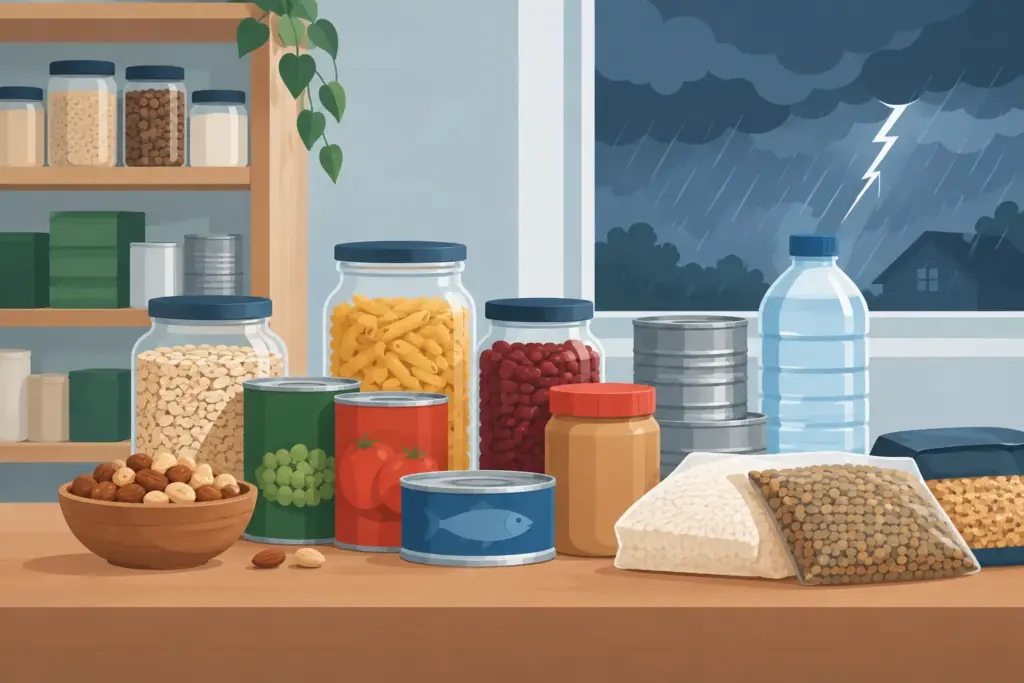
When a severe weather warning is issued, the best pantry foods for storms are the foods your household already knows how to use. A well-stocked cupboard helps you prepare simple meals when heavy rain, strong winds, power cuts or delayed deliveries make a usual shop difficult. The aim is not to fill every shelf with emergency rations. It is to keep practical, long-lasting staples that can feed your family with little water, cooking or refrigeration.
For many households, storm preparation starts with food but should also include drinking water, a manual tin opener, basic hygiene supplies, batteries and a way to cook safely if the power is out. Check what you have before the weather changes, then top up the gaps with foods that suit your family’s routines, dietary needs and available storage space.
What makes a pantry food useful in a storm?
The most useful choices are shelf-stable, familiar and easy to serve. They should keep well at room temperature, need minimal preparation and provide enough energy to get everyone through a disrupted few days. Foods that can be eaten cold are particularly valuable, although a small supply of quick-cook foods gives you more meal options if safe cooking facilities are available.
Choose items with a reasonable shelf life, but do not buy food simply because it lasts for years. If no one in the household will eat it, it is not a useful emergency supply. Build your stock around meals you regularly make and rotate older products into normal weekly cooking before their best-before dates.
Best pantry foods for storms: the essentials
A balanced storm cupboard includes carbohydrates for filling meals, protein for staying satisfied, fruit and vegetables for variety, and a few comfort foods that make a difficult day easier for children and adults alike.
Tinned fish, meat and beans
Tinned tuna, sardines, salmon, corned beef, baked beans, chickpeas, lentils and kidney beans are dependable choices. They are ready to eat or quick to heat, and they can turn rice, crackers or pasta into a proper meal. Beans and lentils are especially useful for households looking for affordable, meat-free protein.
Buy a mix rather than relying on one product. Tinned fish with crackers and fruit makes a quick lunch, while beans can be added to rice or noodles for a more filling evening meal. Remember to keep a manual tin opener where everyone can find it.
Rice, pasta, noodles and other staples
Rice is a useful pantry staple for many family meals, while pasta, instant noodles, couscous and oats offer easy alternatives. These foods are economical, filling and simple to combine with tins, sauces or long-life milk.
There is one trade-off: dry staples need water and a heat source. Keep some ready-to-eat options alongside them in case water use must be limited or cooking is not possible. Instant noodles are convenient, but they should not be the only food available because they are low in fibre and variety.
Long-life milk and breakfast foods
UHT milk, powdered milk and shelf-stable plant-based drinks are practical when fresh milk is unavailable. Pair them with cereal, oats, crackers or breakfast biscuits for easy meals that do not require much preparation.
Oats are particularly versatile. They can be made with water or milk, served warm if you can cook safely, or soaked ahead for a cold breakfast. Add tinned fruit, peanut butter or a little honey to make them more appealing for children.
Nut butters, spreads and crackers
Peanut butter, other nut spreads, jam, honey, yeast extracts and shelf-stable cheese spreads provide fast energy and flavour. Crackers, crispbreads and plain biscuits keep well and are useful when bread runs out or shops are temporarily closed.
If anyone in your home has a nut allergy, choose alternatives that are safe for them. Check that crackers are stored in airtight packaging or containers, as humidity can quickly affect their texture.
Tinned fruit, vegetables and soups
Tinned tomatoes, sweetcorn, peas, mixed vegetables, fruit and ready-made soups add variety when fresh produce is limited. Select fruit packed in juice where possible, and choose lower-salt options if they are available and suit your household.
Soups can be a simple meal when served with crackers or bread, but they may need heating. Tinned vegetables and fruit can be eaten cold, which makes them a more flexible choice during a power cut.
Cooking basics that prevent meal fatigue
A storm cupboard is more useful when it includes the small items that make basic foods enjoyable. Keep cooking oil, salt, pepper, stock cubes, herbs, spices, tomato sauce, soy sauce, tea, coffee and sugar according to your household’s usual preferences.
These are easy to overlook when preparing in a hurry. Yet a packet of rice, a tin of beans and a few seasonings can become several different meals instead of the same plate repeated every day.
Foods for babies, children and special diets
Do not assume the standard cupboard will work for every member of the family. Babies may need formula, baby food, clean feeding equipment and extra water. Young children may be more comfortable with familiar snacks, cereal, UHT milk and mild foods.
Anyone who needs gluten-free, low-salt, diabetic-friendly, allergy-safe or medically prescribed foods should have an appropriate supply set aside. Include pet food too. Animals need a reliable food and water supply when bad weather affects shopping or travel.
Plan enough food and water for your household
Start by thinking about how many people you are feeding and how long disruption could realistically last in your area. A three-day supply is a sensible starting point for many households, while a longer supply offers more reassurance during cyclone season or periods of widespread flooding.
Focus on complete, simple meals rather than counting tins. For example, breakfast could be oats with long-life milk and fruit; lunch could be crackers with tinned fish and vegetables; dinner could be rice with beans and tomatoes. Add snacks that need no preparation, such as cereal bars, dried fruit, biscuits and nuts where suitable.
Water deserves the same attention as food. Keep safe drinking water stored in clean, sealed containers and follow local emergency guidance on the amount needed per person. You may also need water for cooking, washing hands, brushing teeth and pets. If an official notice advises boiling water or avoiding the supply, follow it promptly.
Store your storm pantry so it is ready to use
A pantry stockpile only helps if it remains dry, accessible and within date. Store food off the floor in a cool cupboard, away from direct sunlight, leaks and household chemicals. Put newer items behind older ones so the older products are used first.
Check your supplies at the start of the storm season and after any major weather event. Replace swollen, leaking, badly dented or rusted tins. Check packet foods for signs of moisture or pests, and dispose of anything that smells unusual or has passed its use-by date.
Keep a small written list inside the cupboard or on your phone. Note what you have, what has been opened and what needs replacing. This makes the next grocery order quicker and helps prevent buying duplicates while missing essentials.
Make meals safely when the power is out
Do not open the fridge or freezer repeatedly during an outage. A closed fridge generally keeps food cold for a limited time, while a full freezer holds its temperature longer than a half-full one. If in doubt about perishable food, particularly meat, dairy, cooked meals and leftovers, throw it away rather than taking a risk.
Use pantry food first when refrigeration is uncertain. Only cook with a barbecue, gas cooker or other equipment in a safe, well-ventilated area and follow the manufacturer’s instructions. Never use outdoor cooking equipment indoors. Prepare only what you will eat, as leftovers may not be safe to store without reliable refrigeration.
A thoughtful pantry gives your household more than food during a storm. It gives you fewer urgent decisions when the weather is already demanding your attention. Keep it simple, rotate it often and choose products your family will be glad to see on the table.