
 Online Shop
Uncategorized
Best Pantry Staples for Families to Keep Ready
Jul
A late finish at work, hungry children, and an almost-empty fridge can make dinner feel harder than it needs to be. The best pantry staples for families give you a dependable starting point for filling meals, school lunches and quick snacks, even when a full shop is not possible. A well-planned cupboard saves time, reduces waste and helps stretch the weekly grocery budget.
This is not about filling shelves with products that sit untouched for months. The most useful pantry is built around foods your household already enjoys, in quantities you can use before they lose quality. For many Fiji families, that means combining familiar cupboard basics with fresh produce, chilled items and frozen foods as needed.
Start with foods that make proper meals
The strongest pantry staples are versatile. They work as a main meal on a busy weeknight, a side dish for a larger family meal, or a useful base when fresh ingredients are limited. Rice is a clear example. It pairs easily with curries, tinned fish, beans, vegetables, eggs and leftover meat, so it earns its place in most family cupboards.
Keep a sensible mix of the following staples, based on your family size and cooking habits:
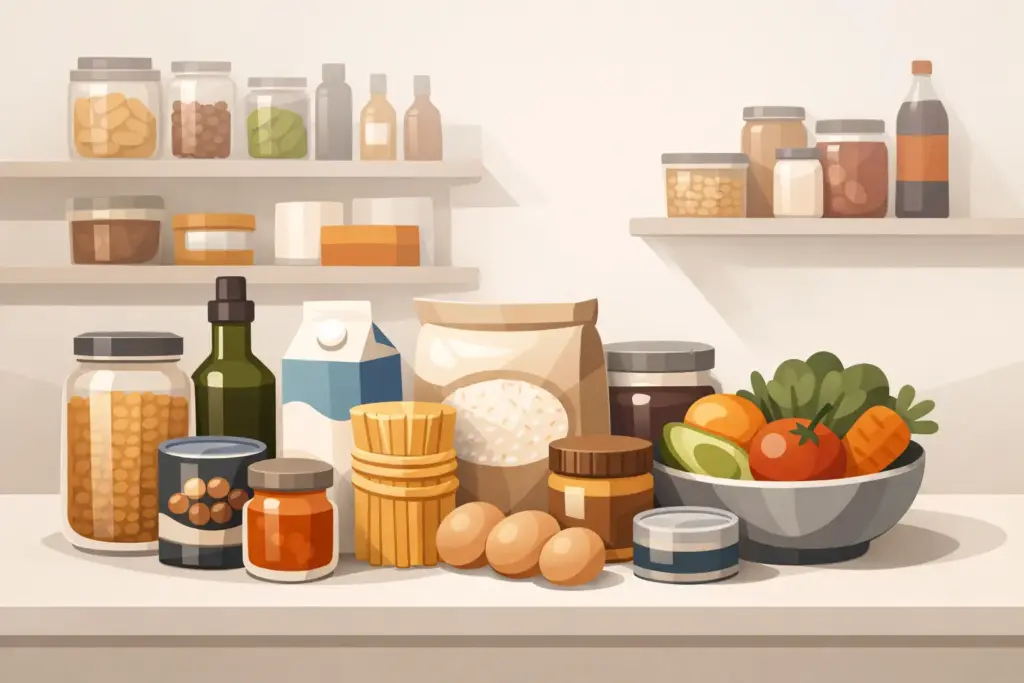
- Rice, pasta, noodles, flour, oats and breakfast cereals
- Tinned tomatoes, tomato paste, cooking sauces and stock cubes
- Tinned tuna, sardines, baked beans, chickpeas, lentils and other beans
- Cooking oil, salt, sugar, tea, coffee and long-life milk
- Herbs, spices, curry powder, soy sauce, vinegar and other regularly used seasonings
The aim is not to buy every variety available. Choose the formats you genuinely use. A family that cooks roti often may go through flour quickly, while another may get more value from pasta and jarred pasta sauce. Buying the right staples is better than buying a large amount of the wrong ones.
Rice, flour and noodles are flexible foundations
Dry carbohydrates make meals feel substantial and help feed several people without complicated preparation. Rice can be cooked in a larger batch and used again for fried rice the following day. Pasta works well with tinned tomatoes, cheese and vegetables. Noodles can become a quick lunch with an egg, greens and a simple sauce.
Flour is especially useful in a family pantry because it can be used for baking, thickening sauces, making roti or preparing an easy batter. If your household does not bake or cook with flour regularly, buy a smaller pack and replenish it more often. Large packs are only good value when they are stored well and used consistently.
Keep reliable proteins in the cupboard
Fresh chicken, fish and meat are valuable parts of many family meals, but cupboard proteins provide welcome backup. Tinned tuna and sardines can be turned into sandwiches, fish cakes, pasta dishes or rice bowls. Beans, lentils and chickpeas add substance to soups, curries and salads while offering a lower-cost option for some meals.
Baked beans are another practical choice for quick breakfasts, toast meals or simple baked potato toppings. They are familiar, filling and easy for older children to prepare with supervision.
It depends on your household’s preferences. If children are hesitant about beans, start by adding a small amount to a curry or mince dish rather than expecting a new ingredient to carry the whole meal. Pantry planning should make family meals easier, not create nightly negotiations at the table.
The best pantry staples for families include flavour
A cupboard full of rice, pasta and tins can still lead to dull meals without a few key flavour builders. Tinned tomatoes, tomato paste, stock, curry powder, dried herbs, garlic, ginger and soy sauce can transform basic ingredients into meals with character.
Choose seasonings that suit the food you cook most often. Curry powder and coconut milk may be priorities for one household, while another relies more on pasta sauce, mixed herbs and black pepper. Keep an eye on salt levels in sauces, stock cubes and tinned foods, particularly if you use several packaged ingredients in one meal.
Oil deserves attention too. It is easy to overlook until the bottle is empty halfway through cooking. Keep a spare only if you have cool, dry cupboard space and use oil regularly. Heat and sunlight can affect quality, so do not store it beside the cooker or near a bright window.
Build easy breakfasts and lunchbox options
A family pantry should help before school as much as it helps at dinner. Oats, cereal, long-life milk, peanut butter, spreads, crackers and dried fruit can prevent rushed mornings from becoming expensive takeaway stops.
For lunchboxes, crackers and tinned tuna can be useful, but balance them with fresh fruit, vegetables, yoghurt or other chilled foods where possible. Choose snacks with your children’s ages and school rules in mind. Whole nuts, for example, may not suit younger children and some schools have allergy policies.
Treats can have a place in the cupboard too. Biscuits, confectionery and cordial are easier to manage when bought deliberately for packed lunches, visitors or weekends rather than added to every weekly shop without a plan. Setting a realistic quantity helps control both spending and constant snacking.
Buy in bulk only when it works for your home
Larger packs can offer good value, particularly for rice, flour, cereal, toilet paper and other items used every week. However, bulk buying is not automatically cheaper if food expires, becomes stale or takes up space needed for everyday essentials.
Before adding a large pack to your trolley, ask three simple questions: Will we use it within a reasonable time? Can we store it safely? Does buying more leave enough room in the budget for fresh food? If the answer is no, a standard pack may be the smarter choice.
For households with limited cupboard space, focus on high-use items rather than building an oversized stockpile. Two or three weeks of core food is often more practical than trying to store months of supplies. This also lets you take advantage of specials without locking money into products you may not need.
Store staples so they stay useful
Good storage protects your grocery spend. Keep dry goods in a cool, dry place, away from direct sunlight and moisture. Once opened, transfer rice, flour, cereal and crackers into clean, airtight containers if possible. This helps maintain freshness and makes it easier to see what is running low.
Use a simple first-in, first-out routine. Put new items behind older ones so the older packet or tin is used first. Check dates during your regular shop, not only when you are looking for dinner. Products past their best-before date may sometimes still be safe if unopened and stored correctly, but quality can decline. Anything damaged, swollen, leaking or with an unusual smell should be discarded.
A small note on the fridge or a list on your phone can help track essentials. Write down items when you open the last packet, tin or bottle rather than waiting until it is completely finished. That small habit prevents the repeat problem of discovering there is no cooking oil, breakfast cereal or tea when it is needed.
Make a simple pantry shopping routine
The easiest approach is to separate pantry buying into two jobs. First, replace the items your family uses every week, such as rice, milk, bread spreads or cereal. Second, top up a few back-up meal ingredients, such as tinned fish, beans, pasta sauce and noodles.
A good rule is to keep enough ingredients for several quick meals that do not rely on a supermarket visit that day. For example, rice with tinned fish and vegetables, pasta with tomato sauce and beans, or noodles with eggs and seasoning. Add frozen vegetables and a few freezer proteins, and your household has even more flexibility when plans change.
Shopping online can make this routine easier because familiar products can be added as you notice they are running low. RB Patel offers families the convenience of ordering a broad range of supermarket essentials in one place, helping reduce the need for extra trips during a busy week.
The right pantry will look different from one family to another. Keep it practical, choose foods that get eaten, and leave room for the fresh ingredients that make everyday meals feel good. When the cupboard is ready, a busy evening becomes a manageable dinner rather than a last-minute problem.