
 Online Shop
Uncategorized
How to Prevent Food Waste in Your Weekly Shop
Nov
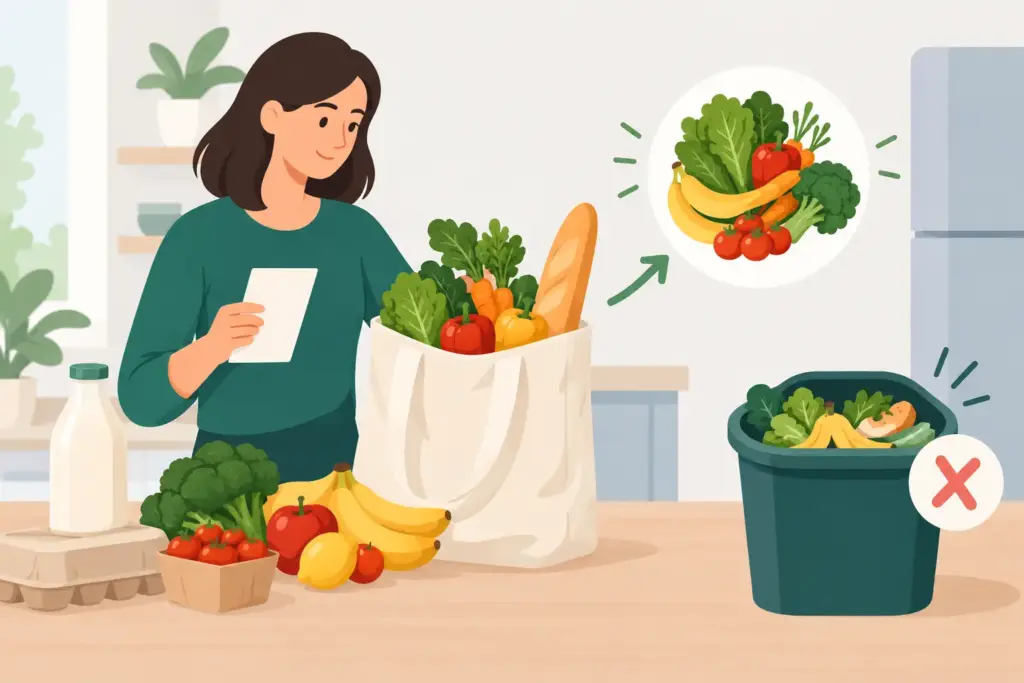
A bag of wilted greens, forgotten leftovers and fruit that ripens too quickly can add up to a costly bin each week. Learning how to prevent food waste is not about buying less food than your family needs. It is about buying with a plan, storing food properly and using what is already at home before adding more to the trolley.
For busy households, small changes make the biggest difference. A clearer weekly shop can save money, reduce last-minute meal stress and help every item earn its place in the kitchen.
Start with a realistic weekly food plan
The most useful food plan is one your household will actually follow. Before shopping, check the fridge, freezer and pantry. Take note of food that needs using soon, then plan a few meals around it. If there are capsicums, chicken portions and rice already at home, that is the start of a simple dinner rather than a reason to buy more ingredients.
Plan for the days you know will be busy. A working parent may need quick freezer options on weekday evenings, while a larger family may benefit from a cooked meal that becomes lunch the next day. There is no need to schedule every meal precisely. Leave room for a takeaway night, a family event or a change of plans, otherwise fresh food can be left unused.
A simple approach is to plan three or four main dinners, one flexible meal using cupboard staples, and a leftovers night. This gives your household choice without filling the fridge with ingredients for seven separate recipes.
Shop your kitchen before you shop online
Keep a running list on the fridge or your phone, but do not add items automatically. Check what remains first. It is easy to order another bottle of sauce, packet of pasta or bag of flour because it is familiar, only to find several unopened ones in the cupboard.
When ordering groceries online, use your meal plan and list as a guide. The convenience of adding items quickly is useful, but it can also lead to duplicate purchases. Choose quantities that suit your household rather than value packs that look economical but may not be finished in time.
Buy the right amount, not the biggest amount
Larger packs can offer better value per item, but only when they will be used. For a family that cooks several meals at home, a larger tray of meat or a bigger bag of vegetables may make sense. For one or two people, it may be better to choose a smaller pack or freeze portions straight away.
Fresh produce is often where good intentions become waste. Buy a mix of ingredients with different shelf lives. Use delicate items such as leafy vegetables, berries and ripe avocados early in the week. Keep firmer vegetables, onions, potatoes and pumpkins for later meals.
It also helps to choose some frozen, tinned or dried alternatives. Frozen vegetables are ready when needed and can be used a handful at a time. Tinned tomatoes, beans and fish are useful for quick meals when fresh ingredients have run low. These are not replacements for fresh food in every dish, but they reduce pressure to use everything immediately.
Store food so it lasts longer
Correct storage makes a noticeable difference. Put chilled and frozen groceries away first after delivery or returning home, particularly meat, dairy products and frozen foods. Avoid overfilling the fridge, as cool air needs space to circulate.
Keep raw meat on a lower shelf in a covered container so it cannot drip onto other food. Store leftovers in sealed containers and label them with the date. Clear containers are useful because they make food easier to see and remember.
Not all fruit and vegetables belong in the fridge. Bananas, tomatoes, potatoes, onions and whole pumpkins generally keep better in a cool, dry place. Leafy greens, broccoli, carrots and berries usually benefit from refrigeration. If you are unsure, check the product label and observe how quickly items ripen in your own kitchen.
Separate fruit that produces ethylene gas, such as bananas, apples and ripe avocados, from vegetables and other fruit that may spoil faster nearby. A small amount of organisation can extend the life of a full fruit bowl.
Use the freezer as part of your routine
The freezer is one of the most practical tools for preventing waste. Freeze meat, bread and other suitable items before their use-by date if you will not use them in time. Divide larger packs into meal-sized portions first, so you only defrost what you need.
Cooked meals can also be frozen for busy days. Soups, curries, pasta sauces, cooked mince and rice dishes are useful options, provided they are cooled promptly, stored safely and reheated thoroughly. Label containers with the meal and date. Mystery containers often stay in the freezer far longer than planned.
Freezing is not always the best choice. Crisp salads and high-water vegetables may lose their texture after thawing. In those cases, buy smaller quantities or plan to cook them before freezing.
Make “use first” food easy to see
Food is often wasted because it is hidden behind newer groceries. Create a visible section in the fridge or pantry for items that need using first. This could be a small basket, a labelled shelf or simply the front row of the fridge.
Use the first-in, first-out method: move older items forward and place new items behind them. This works for yoghurt, milk, sauces, cereals and pantry goods as well as fresh food.
Date labels deserve a little attention. A use-by date relates to food safety and should be followed carefully. A best-before date is mainly about quality, so food may still be suitable after that date if it has been stored correctly and looks and smells normal. When in doubt, especially with chilled meat, seafood, dairy or ready-to-eat food, do not take risks.
Turn leftovers into planned meals
Leftovers should not be an afterthought. Cook a little extra only when you have a clear plan to use it for lunch, dinner or the freezer. Roast chicken can become sandwiches, fried rice or a simple wrap filling. Cooked vegetables can go into an omelette, soup, curry or pasta sauce.
A weekly leftovers meal is a practical way to clear the fridge. It does not have to mean serving the same plate again. Combine suitable items into a rice bowl, frittata, stir-fry or homemade pizza. Keep food safety in mind: refrigerate leftovers promptly, use them within a sensible timeframe and reheat until piping hot.
If your household is unlikely to eat leftovers, reduce recipe sizes instead. Waste prevention works best when it fits real habits, not when it creates meals nobody wants.
How to prevent food waste with flexible cooking
Strict recipes can lead to waste when they require one special ingredient that is used once. Build a small set of flexible meals around what your family enjoys. Stir-fries, curries, soups, pasta dishes, wraps and tray bakes can all use different vegetables, proteins and pantry staples.
For example, vegetables that are no longer at their crispest may still be excellent in soup, sauce or a cooked curry. Slightly soft fruit can be blended into smoothies, baked into muffins or cooked into a compote. Stale bread can become toast, breadcrumbs, croutons or a bread-based pudding.
This does not mean using food that is mouldy, unsafe or clearly spoiled. It means recognising that food does not have to look perfect to be useful.
Make food waste visible, then adjust
For one week, notice what your household throws away and why. Was too much purchased? Did plans change? Was food stored in the wrong place? Did children not enjoy a particular item? The answer will help you make a better next shop.
You may find that buying fewer salad ingredients, choosing more frozen vegetables, or ordering smaller packs saves more money than chasing bulk offers. A supermarket shop should work around your household, not create extra work for it.
RB Patel makes it easier to shop by category and build a practical household order, but the best value comes from choosing what your family will use. Start with one change this week: check the fridge before ordering, plan one use-first meal, and give every good item a chance to reach the table.