
 Online Shop
Uncategorized
7 Best Household Cleaners for Busy Homes
Sep
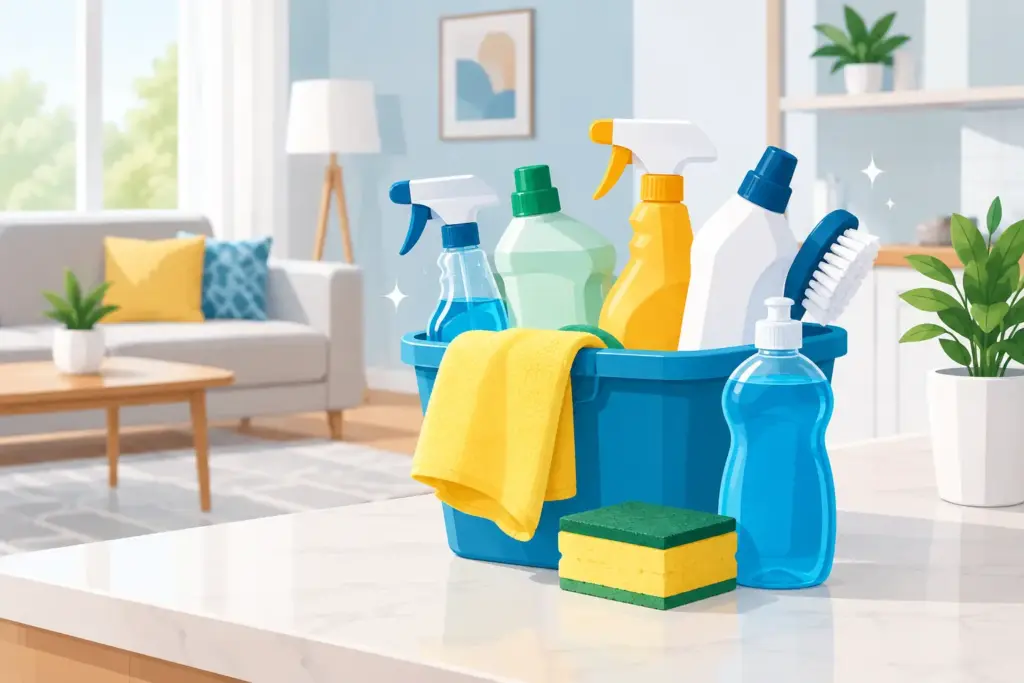
A busy home rarely needs a complicated cleaning cupboard. It needs the best household cleaners for busy homes: dependable products that deal with daily spills, bathroom marks, washing, floors and bins without turning a quick tidy into a full afternoon job. The right selection saves time, reduces clutter and means you are ready when mess happens.
The aim is not to buy a separate product for every surface. It is to keep a practical core range that covers most household jobs well, then add specialist cleaners only where they make a real difference.
The 7 best household cleaners for busy homes
1. A versatile multi-purpose surface spray
A good multi-purpose spray earns its place in almost every room. Use it for kitchen worktops, dining tables, cupboard fronts, door handles and everyday marks on washable surfaces. It is the product most likely to turn a five-minute reset into a finished-looking room.
Choose a spray labelled for the surfaces in your home, particularly if you have stone, timber or high-gloss finishes. A strong cleaner may be useful for greasy areas, but it is not always suitable for delicate materials. For most daily jobs, a reliable all-purpose option and a clean microfibre cloth are enough.
2. Washing-up liquid for more than dishes
Washing-up liquid is one of the most useful items in a busy household. It handles plates and pans, of course, but a small amount diluted in warm water can also help with greasy splashbacks, lunchbox spills and quick wipe-downs of washable surfaces.
It is a cost-effective choice when the mess is light and does not need disinfecting. Keep that distinction clear: cleaning removes dirt and grease, while disinfecting is intended to reduce germs. You may need both in food-preparation areas, after illness or when dealing with raw meat spills.
3. A bathroom cleaner that tackles soap scum and limescale
Bathrooms quickly show signs of a full household: toothpaste marks, water spots, soap residue and dull taps. A dedicated bathroom cleaner makes weekly cleaning quicker because it is designed for these particular deposits.
For showers, basins and taps, check whether your water leaves limescale behind. If it does, an anti-limescale product can be more effective than an ordinary all-purpose spray. Use it as directed and avoid applying acidic products to natural stone, damaged grout or surfaces where the label advises against it.
4. Toilet cleaner for regular, low-effort upkeep
Toilet cleaner is a simple essential, not a product to substitute with kitchen spray. A formula designed for the bowl helps remove stains and odours while making routine cleaning more straightforward. Applying it before you clean the rest of the bathroom gives it time to work, so the final scrub takes less effort.
Keep toilet products stored safely and separately from other cleaners. Never mix bleach with toilet cleaner, descaler, vinegar or any other chemical product. Good cleaning is about using the right product safely, not using more products at once.
5. Laundry detergent that suits your household routine
Laundry is one of the biggest recurring jobs in a family home, so detergent choice matters. Powders, liquids, capsules and tablets can all work well. The best option depends on your machine, preferred wash temperature, the size of your regular loads and whether anyone in the home has sensitive skin.
Liquid detergent can be useful for pre-treating small marks, while powder may suit households that regularly wash whites or heavily soiled items. Capsules offer convenient portion control, but they must always be stored out of children’s reach. Whatever format you choose, follow the dosage guidance. Too much detergent can leave residue on clothes and build-up in the machine.
6. A floor cleaner matched to your flooring
Floors collect the evidence of a busy week: muddy footwear, crumbs, pet hair and kitchen splashes. A suitable floor cleaner helps you deal with it efficiently, but the word “suitable” matters. Tiles and vinyl can often handle a standard floor product, whereas sealed timber, laminate and speciality flooring may need a gentler formula and less water.
For quick maintenance, sweep or vacuum first, then use only enough cleaner to lift dirt without soaking the floor. Over-wetting can leave streaks and may damage certain floor types. Keeping a spray mop or filled mop bucket ready for the weekly clean can make the job feel far more manageable.
7. Disinfectant or bleach for targeted jobs
Disinfectant and bleach have a role in busy homes, but they are not everyday answers to every cleaning task. Use them for targeted hygiene jobs such as bins, toilets, drains and appropriate hard surfaces after contamination. Always read the label for dilution instructions, contact time and surface suitability.
A disinfectant works only when it is used correctly. If a surface is visibly dirty, clean away food, grease or grime first. Then apply the product and allow the stated contact time before wiping or rinsing where required. Spraying and immediately wiping away may smell clean, but it may not deliver the hygiene result you expected.
Build a cleaner cupboard that works harder
The most useful cleaning range is small enough to understand and complete enough to use without a last-minute shop. Alongside your core cleaners, keep microfibre cloths, a non-scratch sponge, rubber gloves, bin liners and a good laundry stain remover. These modest additions often make a bigger difference than another bottle of specialist spray.
It also helps to place products where the jobs happen. Keep bathroom cleaner and spare cloths in a secure bathroom cupboard, and store washing-up liquid close to the sink. For homes with children or pets, all cleaning products should be kept locked away or well out of reach, in their original containers with labels intact.
Avoid buying products simply because they promise a single unusual use. A specialist oven cleaner can be worthwhile if you cook frequently and need to shift baked-on grease. A carpet stain remover is sensible in homes with young children, pets or light-coloured rugs. Otherwise, a well-chosen core range is usually better value and easier to keep organised.
A realistic cleaning routine for full weeks
The best products still need a simple routine behind them. Rather than saving every job for the weekend, give daily messes a short window. Wipe the kitchen after the evening meal, deal with bathroom splashes when they appear and run a quick sweep through high-traffic areas when needed. These small actions prevent the harder clean later.
A useful weekly pattern is to focus on one priority area at a time: bathrooms, kitchen surfaces, floors and laundry. If one week is especially busy, clean the high-use areas first and leave low-priority jobs for another day. A spotless skirting board matters less than a hygienic kitchen and a clear path through the home.
Online supermarket shopping can also make replenishment easier. Adding laundry detergent, surface spray, bin liners and toilet cleaner to the regular grocery order means these basics are less likely to run out at the worst moment. RB Patel brings everyday household essentials together with the rest of the weekly shop, helping families save time while keeping the home prepared.
Choose value, not just the lowest price
The lowest shelf price does not always mean the best value. Compare pack size, concentration, recommended dosage and how often you genuinely use the product. A concentrated cleaner may cost more upfront but last longer, while an oversized bottle is poor value if it sits unused for months.
Scent is another personal choice. Fresh fragrances can make a room feel pleasant, but fragrance-free or milder products may be more comfortable for people with sensitivities. If you are trying a new product, start with one item rather than replacing every cleaner in the cupboard at once.
A dependable home-cleaning routine does not need perfection. Keep the products you reach for most within easy reach, replace them before they run out and let your routine fit the way your household actually lives. That is what keeps everyday cleaning quick, practical and under control.