
 Online Shop
Uncategorized
Fresh Fruits and Vegetables Delivery Made Easy
Jul
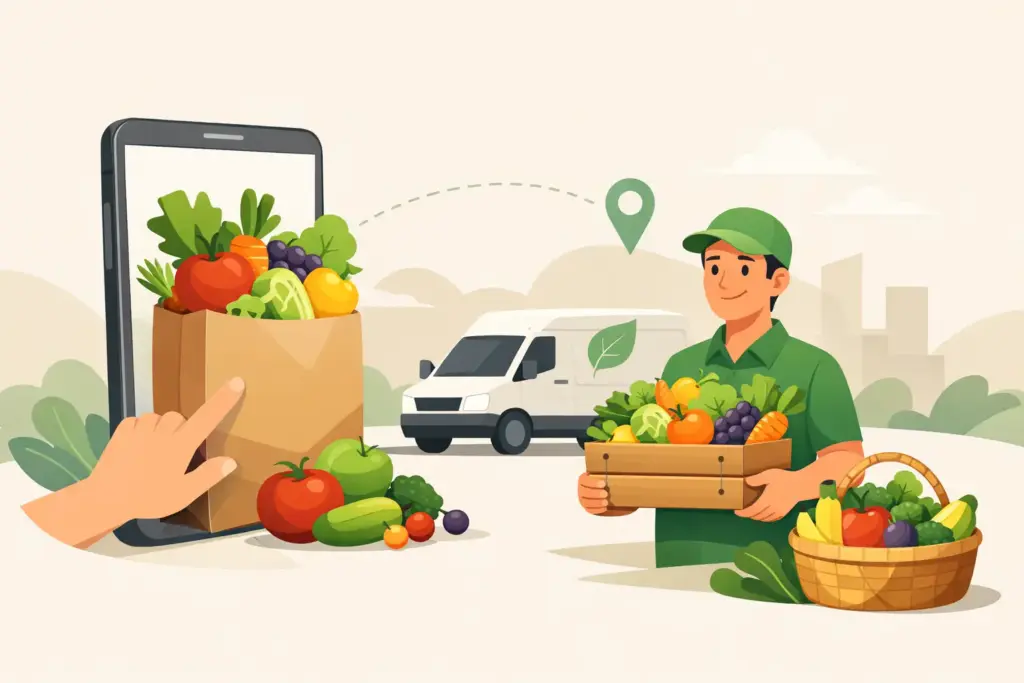
A midweek shop for tomatoes, bananas and leafy greens can easily turn into a full extra trip you did not plan for. That is why fresh fruits and vegetables delivery has become a practical choice for busy households that want to keep the kitchen stocked without rearranging the whole day.
For families, working adults and anyone managing a home, the appeal is simple. Fresh produce is not a once-a-month purchase. It needs topping up regularly, it needs to arrive in good condition, and it needs to fit into the rest of the weekly grocery shop. When delivery is done well, it saves time, reduces repeated store visits and makes meal planning far easier.
Why fresh fruits and vegetables delivery works for modern households
Fresh produce sits at the centre of everyday shopping, but it is also one of the hardest categories to manage around a busy schedule. Rice, canned goods and cleaning products can wait. Fruit for lunchboxes and vegetables for dinner usually cannot. If the house is low on essentials, most shoppers end up making an extra run just for a few items.
Delivery changes that. Instead of treating produce as a separate task, shoppers can add it to the same order as pantry staples, frozen foods, baby items, household products and other weekly needs. That one-stop approach matters because convenience is not just about avoiding the shop. It is about reducing the number of decisions, trips and interruptions across the week.
There is also a budgeting benefit. When shoppers place a planned order, they are often less likely to add unplanned extras compared with walking through every aisle. That does not mean online shopping always leads to lower spending, because larger baskets can still grow quickly. But for many households, having a clearer view of the total before checkout makes it easier to stay on track.
What shoppers want from fresh fruits and vegetables delivery
The first expectation is quality. People are happy to order produce online when they trust that bananas will not be bruised, leafy greens will be fresh, and basic items such as onions, potatoes, apples and carrots will arrive ready to use. Reliability matters just as much as range.
The second expectation is convenience that feels complete. A produce service on its own can be useful, but a full supermarket offer is usually better for regular household shopping. It makes more sense when fresh fruit and vegetables sit alongside dairy, frozen meat, snacks, toiletries, pet food and cleaning supplies in the same basket.
The third expectation is flexibility. Some shoppers want home delivery because they are short on time. Others prefer collection because it suits their route home or helps them keep control of timing. Good service allows for both, because convenience looks different depending on work schedules, school runs and family routines.
How to get better results from fresh fruits and vegetables delivery
Ordering produce online works best when the basket reflects how the household really eats. A common mistake is buying with good intentions rather than actual usage. If salad is only eaten twice a week, there is no point overloading the basket with delicate greens that may not last.
Start with meals rather than categories. Think about what is needed for lunchboxes, evening meals and quick snacks over the next few days. Bananas, oranges, cucumbers, tomatoes, potatoes, capsicums, cabbage and apples often cover a wide range of household needs because they are versatile and easy to use across several meals.
It also helps to balance shorter-life produce with items that keep longer. Soft fruits and leafy greens are useful, but they are best paired with vegetables and fruit that can handle a few more days in the kitchen. That mix reduces waste and means the order supports both immediate meals and later top-ups.
Another sensible habit is to combine fresh produce with household essentials in the same order. If shoppers only order fruit and vegetables when the fridge looks empty, they may still end up making extra trips for bread, cleaning products, baby care or pantry items. A broader basket saves more time overall.
The trade-off: convenience versus personal selection
Some shoppers still prefer choosing every mango, tomato or bunch of spinach themselves, and that is understandable. Produce is personal. People have their own preferences on ripeness, size and firmness. Fresh fruits and vegetables delivery does mean handing part of that choice to the retailer.
That trade-off works well when the supermarket has strong standards and experience handling fresh categories. Trust is what closes the gap between in-store browsing and online ordering. Households are more comfortable using delivery when they know the retailer understands what quality looks like and treats produce as a priority, not an afterthought.
There are also times when shopping in person still makes sense. If someone needs a very specific item for the same evening, wants to compare options closely, or is buying for a large event with exact requirements, store selection can feel easier. But for routine weekly needs, delivery often wins on efficiency.
Fresh fruits and vegetables delivery for family routines
Household shopping is rarely about one meal. It is about keeping the week moving. Parents think about school snacks, lunches, breakfast fruit and dinner sides. Working adults want fewer errands after work. Shared households want a simple way to restock basics without multiple people making separate trips.
This is where a dependable online supermarket earns its place. A regular basket can cover produce and much more in one go. That matters because convenience is strongest when it supports the whole home, not just one category. RB Patel has built its offer around that idea – practical shopping that helps customers save time while still accessing a broad supermarket range.
The other advantage is consistency. Once shoppers get used to ordering their regular essentials online, it becomes easier to repeat the process each week. Familiar purchases can be added quickly, and fresh items can be adjusted based on plans, budget or the size of the household for that week.
Choosing a service that actually saves time
Not every delivery option is equally useful. A good service should make shopping simpler from start to finish. That means clear product categories, an easy ordering process and fulfilment options that suit real schedules. If browsing is confusing or collection windows are awkward, the convenience starts to disappear.
Range matters too. A household does not want to place one order for produce, another for frozen foods and another for personal care. The best online grocery experience brings these needs together. Fresh fruit and vegetables should sit within a full shopping system that supports ordinary weekly life as well as special occasions.
Pricing and value are part of the picture as well. Shoppers are not only looking for premium presentation. They want produce that feels worth the spend, especially when ordering regularly. Strong value comes from the mix of quality, fair pricing and the time saved by avoiding repeated trips.
Making online produce shopping part of the week
The easiest way to make delivery work is to treat it as part of household planning rather than a last-minute fix. A short weekly check of the fridge, fruit bowl and pantry can prevent duplicate purchases and help shape a more useful order. That simple habit tends to improve both value and convenience.
It also helps to think in layers. Start with the produce that will definitely be used in the next two to three days. Then add longer-lasting fruit and vegetables for the rest of the week. After that, complete the basket with staple groceries and household products. This keeps the order practical instead of aspirational.
Over time, shoppers usually find a pattern that suits them. Some prefer a larger weekly order with one fresh top-up later. Others use one well-planned order to cover nearly everything. It depends on household size, cooking habits and storage space, but the goal is the same – fewer interruptions, less running around and a kitchen that is ready for daily life.
Fresh fruits and vegetables delivery is at its best when it feels dependable enough to become routine. When good produce arrives alongside the rest of the household shop, buying essentials becomes less of a chore and more of a straightforward part of the week.