
 Online Shop
Uncategorized
Frozen Vegetables Versus Fresh Produce for Family Meals
Oct
A bag of frozen peas can sit ready in the freezer for weeks. A bunch of fresh spinach may need using within a few days. That everyday difference is at the heart of frozen vegetables versus fresh produce: the best choice is often the one your household will use, enjoy and not throw away.
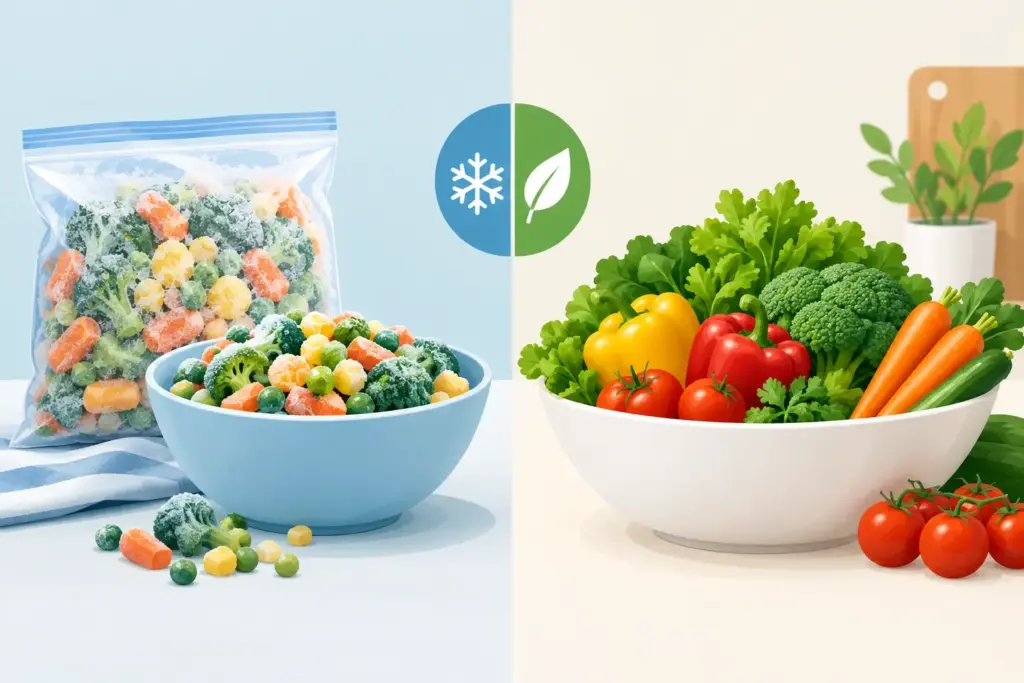
For family meals, both have a place in the trolley. Fresh produce brings colour, crunch and variety to salads, lunchboxes and fruit bowls. Frozen vegetables offer dependable convenience for busy evenings, rainy days and those times when the fridge is running low. Choosing well means looking beyond the idea that one is always better than the other.
Frozen vegetables versus fresh produce: what really changes?
The main difference is timing. Fresh fruit and vegetables are picked, packed, transported and displayed before they reach your kitchen. Frozen vegetables are usually picked at maturity, then prepared and frozen soon afterwards. Freezing slows down natural spoilage, which gives households more time to plan meals.
That does not make every frozen item identical, and it does not make fresh produce less valuable. Fresh vegetables can be excellent when they are in season, stored correctly and eaten promptly. A crisp cucumber, ripe tomato or fresh lettuce offers a texture that frozen alternatives cannot match. Fresh fruit is also the natural choice for snacks, platters and lunchboxes.
Frozen vegetables are especially useful where texture matters less than flavour and nourishment. Peas, sweetcorn, mixed vegetables, spinach, broccoli, cauliflower and beans work well in curries, soups, stir-fries, pasta sauces, pies and rice dishes. They can go straight from the freezer to the pan, saving washing, peeling and chopping time.
Nutrition is closer than many shoppers think
Fresh produce has a strong reputation for good reason. It is full of vitamins, minerals and fibre, and it helps make everyday meals more balanced. But fresh is not automatically more nutritious in every situation. Nutrient levels can gradually change during transport and storage, particularly if produce stays in the fridge for a long time before being eaten.
Frozen vegetables are often processed soon after harvesting, helping retain many nutrients. Cooking method matters too. Boiling vegetables for too long can reduce some water-soluble vitamins, whether they started fresh or frozen. Light steaming, microwaving with a small amount of water, roasting or quick stir-frying can help preserve flavour and texture.
The practical message is simple: eating a range of vegetables, fresh or frozen, is far better than having good intentions while vegetables spoil in the crisper drawer. Keep a selection of both available so there is always an easy way to add vegetables to dinner.
When buying frozen products, check the label. Plain frozen vegetables are a straightforward choice. Vegetable mixes with creamy sauces, cheese coatings, seasoning sachets or added salt can still be convenient, but they may contain more salt, fat or sugar than you expect. Choose according to the meal you are making and the needs of your household.
Cost, waste and value at home
Price at the shelf is only part of the cost. Fresh vegetables may be excellent value when they are in season or on promotion, especially if you can use them across several meals. However, a low-priced bag of fresh greens is not a saving if half of it ends up in the bin.
Frozen vegetables can make weekly shopping easier to manage because you use only what you need. Pour out one or two portions, return the bag to the freezer and keep the rest for another meal. This can be particularly helpful for smaller households, families with changing schedules and anyone planning meals around work, school and activities.
Fresh produce also deserves a plan. Buy softer, faster-ripening items for the first part of the week and sturdier vegetables for later. Leafy greens, herbs, berries and mushrooms generally need using sooner. Potatoes, onions, carrots, pumpkin and cabbage often keep longer when stored properly.
A balanced shop might include fresh salad ingredients and seasonal fruit for immediate use, alongside frozen peas, corn, spinach and mixed vegetables for quick meals. This gives your household choice without relying on last-minute trips to the shop.
Choose the right option for the meal
Fresh produce is usually the better fit when appearance and crunch are central to the dish. Think salads, fruit platters, sandwiches, fresh salsas and roasted vegetables where you want a firm bite. Fresh herbs also bring a brightness that is difficult to replace.
Frozen vegetables are a smart option for cooked dishes where consistency and speed matter. Add frozen spinach to dhal or curries, peas to fried rice, corn to fritters, and mixed vegetables to noodles, casseroles or shepherd’s pie. They are also useful for stretching a meal when unexpected guests arrive or when hungry children need dinner quickly.
There are a few exceptions. Frozen vegetables can release water as they cook, so give them enough heat and avoid overcrowding the pan if you want browning rather than steaming. For stir-fries, cook in small batches or add frozen vegetables after the aromatics have started to soften. For soups and sauces, the extra moisture is usually not a problem.
Fruit follows a similar rule. Fresh fruit is ideal for eating whole, while frozen berries and mango pieces are useful in smoothies, yoghurt, baking and chilled desserts. Keep the intended use in mind before you buy.
Storage makes a bigger difference than shoppers expect
Fresh produce needs a little attention to last longer. Refrigerate leafy vegetables, berries, broccoli and carrots, but do not wash them until close to use unless you dry them thoroughly. Keep potatoes, onions and garlic in a cool, dry place away from direct sunlight. Bananas, tomatoes and avocados are often best left at room temperature until ripe.
For frozen items, get them into the freezer soon after delivery or shopping. Keep the freezer door closed as much as possible and reseal opened bags tightly to limit freezer burn. If a package has thawed completely, follow the label guidance rather than refreezing it without checking.
It also helps to place older frozen bags towards the front. A quick look through the freezer before planning the weekly shop can prevent duplicate purchases and make meal planning easier.
A practical shopping approach for busy households
Instead of choosing sides, build flexibility into your grocery order. Choose fresh produce that suits the next few days: salad vegetables, seasonal fruit, herbs and items your family enjoys eating raw. Then keep a reliable freezer back-up for cooked meals.
For example, a household might buy fresh tomatoes, cucumbers, lettuce, bananas and oranges, while keeping frozen peas, broccoli, spinach and mixed vegetables ready for dinners. This approach supports varied meals without making every week dependent on perfect meal planning.
RB Patel makes it easier to stock both fresh and frozen essentials in one household shop, whether you are organising the weekly groceries or topping up the freezer for the days ahead.
The most useful choice is the one that fits your budget, cooking habits and family routine. Keep fresh produce for the meals where it shines, keep frozen vegetables for dependable back-up, and give yourself more ways to put a good meal on the table.