
 Online Shop
Uncategorized
Grocery Delivery vs Store Pickup: Which Works?
Jul
A weekly shop can easily take up the best part of an afternoon once you add travel, parking, queues and unpacking. Grocery delivery vs store collection is not simply a question of convenience – it is about choosing the option that fits your household’s timetable, budget and way of shopping.
For some families, having groceries brought to the door makes a busy week manageable. For others, collecting a prepared order on the way home offers the right balance of speed and control. Both options remove much of the time spent walking supermarket aisles, while still giving you access to the everyday essentials your home needs.
Grocery delivery vs store collection: the main difference
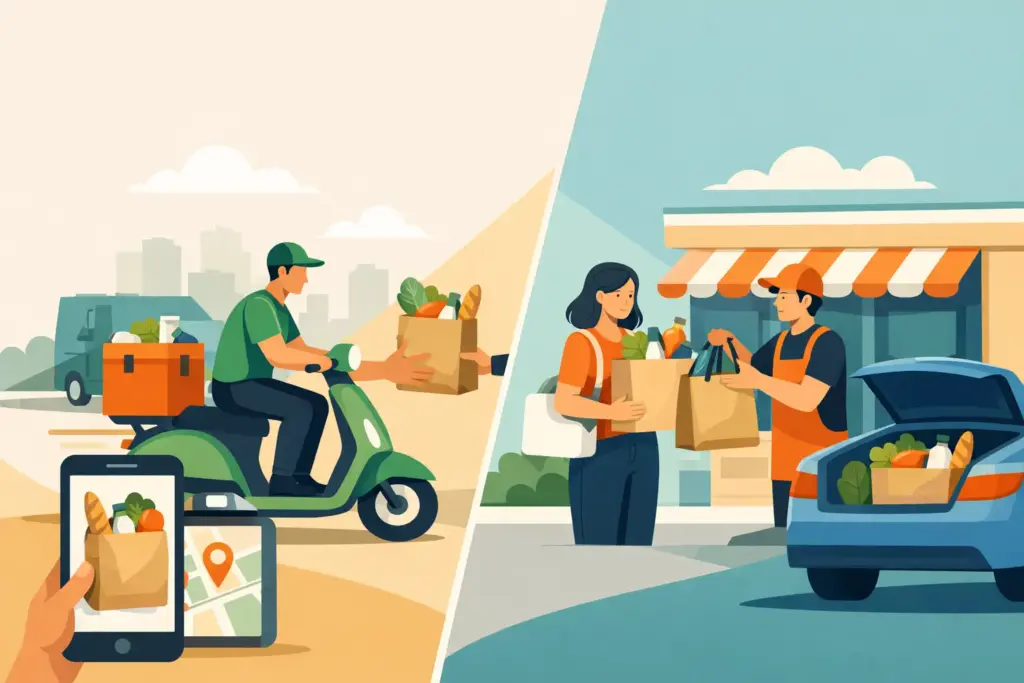
The biggest difference is where the final part of the shopping journey happens. With grocery delivery, you complete your order online and have it delivered to your home. With store collection, you place the order online, choose a collection time and collect it from the store yourself.
Delivery suits shoppers who want to avoid leaving home or who cannot easily fit a store visit into the day. Collection suits customers who will already be near the store, want their order quickly, or prefer to choose the most convenient collection time around work, school runs or other errands.
The best choice is often not the same every week. A large household restock may call for delivery, while a smaller top-up order can be ideal for collection.
When grocery delivery makes the most sense
Grocery delivery is built for days when time is limited and the shopping list is long. Instead of loading children into the car, finding a parking space and carrying bags through the shop, you can order from home at a time that works for you. That can mean placing an order after the children are asleep, during a lunch break or while planning meals for the week.
It is particularly useful for bulky or heavy household items. Multipacks of drinks, cleaning supplies, pet food, nappies, pantry staples and frozen goods can add up quickly. Having them delivered means less lifting, fewer bags to carry and no need to make space in the car.
Delivery is a strong choice for planned weekly shops
Delivery works best when you can plan ahead. Start by checking what is already in the fridge, freezer and cupboard, then build your basket around meals, lunchboxes and household essentials. This approach can reduce duplicate purchases and help you stay focused on what the household will actually use.
Online ordering also gives you time to compare pack sizes and browse categories without standing in an aisle. If you need fresh fruit and vegetables, meat, baby products, health and beauty items, or cleaning supplies, you can add them to one order and keep the shop organised.
There is a trade-off. You need to be available for the delivery window, so it may not suit a household where nobody is home during the day. It is also worth checking delivery availability and charges before finalising a basket, especially when ordering a smaller number of items.
When store collection is the better option
Store collection gives you the convenience of online shopping without waiting at home for a delivery. Your order is prepared in advance, then collected at a time you choose. For working adults and parents with busy schedules, this can turn a full supermarket visit into a quick stop.
It is often a practical choice when you are already travelling nearby. You may collect groceries after work, after school collection or while completing other errands. Rather than spending time browsing and queuing, you can collect the items you selected online and continue with your day.
Collection gives you more control over timing
If you know you will be near the store at a specific time, collection can be easier to plan around than a delivery window. It can also be useful for last-minute household needs, provided collection slots are available.
Collection is a sensible middle ground for shoppers who enjoy selecting their own groceries online but still prefer to bring the order home themselves. You avoid the effort of a full store shop while keeping control of the collection time.
The limitation is straightforward: you still need transport and time to get to the store. If the weather is poor, the children are unwell or your day is already overloaded, delivery may be the more comfortable option.
Compare the real cost, not just the service fee
When deciding between grocery delivery and store collection, look beyond the visible charge. Delivery may have a fee, but a trip to the store can also bring fuel costs, parking expenses and the temptation to add unplanned items to the trolley.
Store collection may be more economical when you are already travelling past the collection point. It can also make sense for a smaller order where delivery is less cost-effective. However, if collecting an order requires a separate car journey, delivery may offer better value once you consider your time and travel costs.
The value of either option also depends on how you shop. A clear online list helps you buy what you need rather than what catches your eye in-store. Planning meals, checking household supplies and choosing suitable pack sizes can make a noticeable difference to the weekly budget.
Choose based on your household routine
There is no single right answer for every shopper. Delivery is usually the stronger choice when convenience at home matters most. It is well suited to larger orders, heavy items, families with young children, older customers, and weeks when work or family commitments leave little room for errands.
Store collection is often the better fit when you are already out, need flexibility around collection, or prefer not to wait for a delivery. It works well for smaller shops, quick top-ups and customers who can collect on their usual route.
Think about the order itself as well as the day you are having. A basket filled with pantry goods, frozen food, drinks and cleaning products is an excellent candidate for delivery. A collection of ingredients for dinner, snacks for the week and a few missing essentials may be easy to pick up on the way home.
At RB Patel, customers can shop across a broad supermarket range online, making it easier to choose the fulfilment option that suits the occasion. Your weekly essentials, special treats, household supplies and gift needs can all be considered in one organised basket.
Make either option work harder for you
The simplest way to save time is to keep a running household list. Add items as they run low rather than trying to remember everything at the end of the week. This is especially helpful for staples such as rice, milk, bread, toiletries, pet food and laundry products.
For delivery, choose a slot when someone is likely to be home and place the order early enough to secure your preferred time. For collection, allow a little extra time in case traffic or work runs late, and choose a collection window that does not create another rushed task.
It also helps to separate regular essentials from occasional purchases. Build the main shop around meals and necessary supplies first, then add seasonal items, confectionery, toys, vouchers or gifts only when they are needed. This keeps the basket useful, manageable and better aligned with your budget.
The better option is the one that gives you back time without making the weekly shop harder. Whether groceries arrive at your door or are ready to collect, a well-planned online order leaves more room for the things your household would rather be doing.