
 Online Shop
Uncategorized
Pet Food Delivery Options for Busy Fiji Homes
Sep
The empty-bowl problem rarely happens at a convenient time. A busy week, school runs, work commitments and household shopping can make it easy to forget pet supplies until the last scoop is gone. Pet food delivery options help Fiji households keep dogs, cats and other pets fed without adding another separate trip to the shopping list.
For most families, the best choice is not simply the fastest option. It is the option that keeps your preferred food available, suits your routine and makes it easier to order the other essentials you need at the same time. Whether you choose home delivery or collection, a little planning can save time, avoid last-minute substitutions and keep mealtimes consistent for your pet.
Pet food delivery options for everyday shopping
Online supermarket shopping gives pet owners a practical choice between delivery to their address and collecting an order when it suits them. Both can work well. The right option depends on your location, schedule, storage space and how often you buy pet food.
Home delivery for full weekly shops
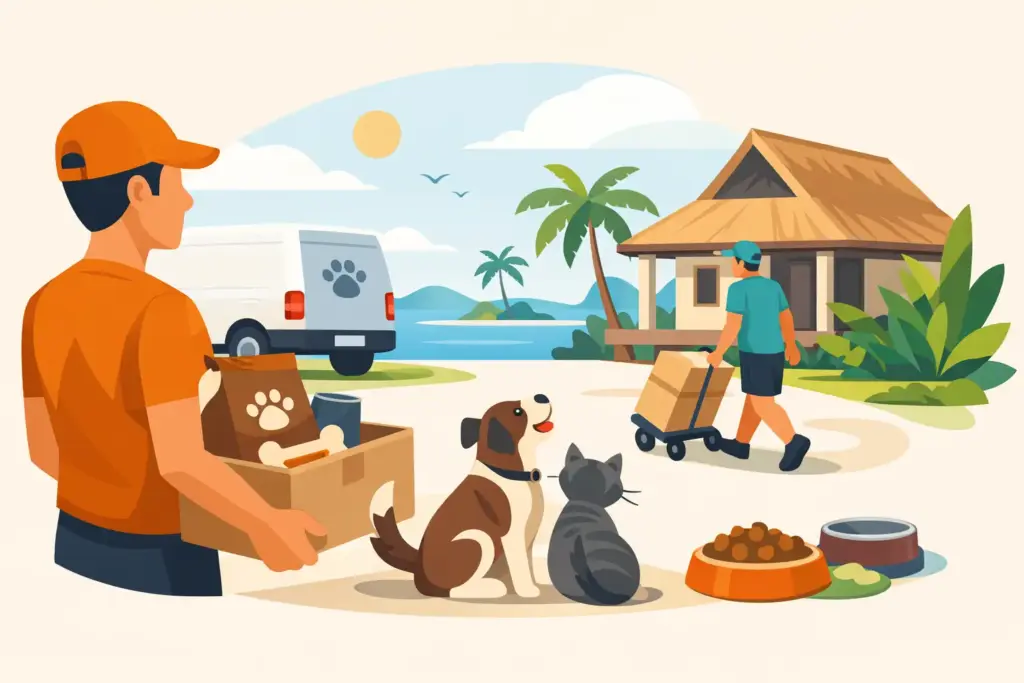
Home delivery is often the most convenient option when pet food is part of a larger household order. Bags of dry food, tins, litter, treats and cleaning supplies quickly add weight to a trolley. Having these items delivered can make a real difference for parents, working households, older shoppers and anyone managing a busy home.
It also makes sense when you are buying bulky packs. A larger bag may offer better value per serving and reduce how often you need to reorder, but it is not always easy to carry alongside fresh produce, frozen goods and pantry staples. Ordering it with your regular groceries keeps the whole shop in one place.
Delivery is best when someone can receive the order during the available delivery period and when you have suitable storage at home. Dry food should be kept cool and dry, while wet food and treats should be stored according to their labels. If you live in a particularly warm area, avoid leaving deliveries outside for long periods.
Pickup when you want more control over timing
Pickup is a useful alternative when you are already travelling near a store, prefer to collect your shopping at a specific time or do not want to wait at home for delivery. You can prepare the order online, add pet food alongside your household essentials, then collect it as part of your normal routine.
This option can be particularly helpful for shoppers who need supplies the same day and have time to collect them. It also suits households where delivery access is difficult or where daytime schedules change regularly. The key benefit is simple: the shopping is already organised, so you spend less time walking through aisles and more time getting on with the day.
For families with several pets, pickup can make regular replenishment easier. Place the usual order, collect it on the way home, and avoid finding out halfway through the week that the food container is empty.
Choosing the right food before you order
Convenience matters, but the food itself comes first. Pets can be sensitive to sudden diet changes, and the right product depends on their age, size, activity level and any advice provided by a veterinary professional. When ordering online, take a moment to check the product name, pack size and feeding guidance rather than choosing only by price.
Puppies and kittens generally need food designed for growth, while adult and senior pets may have different nutritional needs. Larger dogs can go through a bag much faster than a small indoor cat, so the pack that looks economical may not be the most practical one for every household.
If your pet is happy and healthy on a particular food, ordering the same product regularly is usually the easiest approach. Consistency helps avoid unnecessary changes in appetite or digestion. If you do need to switch, introduce the new food gradually by mixing it with the previous food over several days, unless your vet advises otherwise.
Do not forget the extras that make everyday pet care easier. Treats, dental products, litter, feeding bowls, grooming supplies and cleaning products are easy to overlook when purchased separately. Adding them to your grocery order means fewer errands and a better-stocked pet cupboard.
How much pet food should you buy?
The best order size depends on how quickly your pet eats, how much storage you have and the product’s use-by information. Buying too little creates frequent emergency shops. Buying far more than you can use may leave food sitting open for too long, especially in warm or humid conditions.
A sensible starting point is to work out how long one pack lasts. If a bag normally lasts two weeks, aim to place the next order when you have around five to seven days left. That gives you a buffer for busy periods, delivery schedules or an item that is temporarily unavailable.
Households with multiple pets may prefer larger packs because they reduce the frequency of shopping. Single-pet homes may find that smaller packs stay fresher and are easier to store. It depends on the product and your pet’s appetite, so there is no one-size-fits-all answer.
Keep dry food in its original bag where possible, placed inside a clean, airtight container. This helps protect it from moisture and pests while keeping the product information available. Check that lids are secure, keep food away from direct sun and wash containers between refills. For canned or pouch food, rotate stock by using older items first.
Build pet supplies into your regular order
The easiest way to avoid running out is to treat pet food as a standard household essential, just like rice, milk, toiletries or laundry products. Add it to your usual online basket before you begin browsing for special items. This small habit prevents it from being forgotten among the rest of the weekly shop.
A simple routine can help:
- Check the food container before placing your grocery order.
- Keep a note of the brand, flavour and pack size your pet uses.
- Add enough food to cover the next order period plus a few extra days.
- Review treats, litter and cleaning supplies at the same time.
This approach is especially useful before public holidays, family events or busy school periods, when shops and delivery slots may be in higher demand. Planning ahead means your pet’s meals remain sorted even when the rest of the week becomes hectic.
Value is more than the price on the shelf
A lower-priced pack is not always the better buy if your pet will not eat it, if it does not meet their needs or if you have to make another trip to buy more. Value comes from choosing a suitable product, ordering the right quantity and combining pet supplies with the rest of your supermarket shop.
Look at pack sizes and feeding recommendations to understand how long a product should last. A larger pack can be good value for a household with more than one pet, but only if it can be stored properly and used while fresh. Special offers can help with regular purchases, although it is still wise to choose foods your pet already tolerates well.
Shopping through a trusted supermarket also makes it easier to compare pet food with everyday essentials in one basket. At RB Patel, households can shop across grocery categories while including the products that keep pets comfortable, clean and well fed.
When delivery may not be the best choice
Home delivery is convenient, but collection may be better if you need the order at a specific time, are away during delivery hours or live outside an available delivery area. Likewise, buying a very large quantity may not suit a flat or home with limited storage space.
Some pet owners also prefer to visit a store when trying a new product for the first time, particularly if they want to compare packaging or check a range of sizes. Once you know what works for your pet, online ordering becomes much quicker for repeat purchases.
If an item is unavailable, choose a close alternative carefully. Match the life stage and type of food where possible, and avoid making multiple abrupt changes at once. For pets with allergies, medical needs or prescription diets, speak with your vet before changing food.
A well-fed pet starts with a well-planned cupboard. Add pet food to your next household order early, choose delivery or pickup around your routine, and give yourself the comfort of knowing the next meal is already taken care of.