
 Online Shop
Uncategorized
Why Do Frozen Foods Frost? Causes and Fixes
Nov
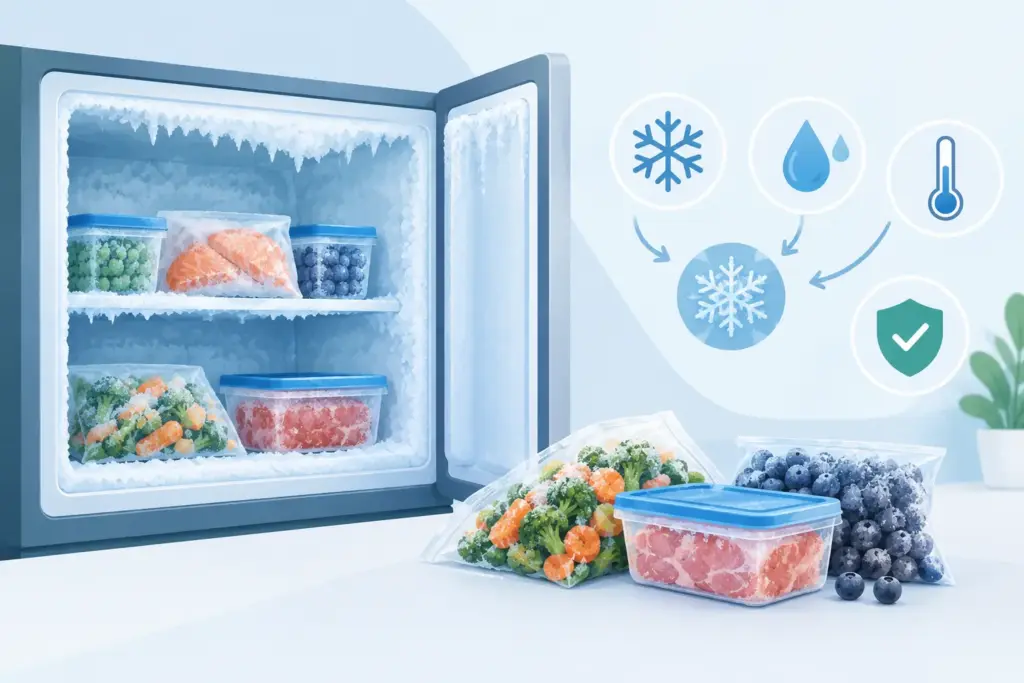
A bag of vegetables covered in snow-like ice, or a tub of ice cream with hard crystals under the lid, can make a freezer shop look less appealing. So, why do frozen foods frost? Frost forms when moisture in the air or food turns into ice inside the freezer. It is common, but too much frost can affect texture, flavour and value.
For busy households, the aim is not to keep every item perfectly frost-free forever. It is to store frozen food well enough that it stays safe, useful and enjoyable until it is time to cook. A few practical habits can make a noticeable difference.
What frost on frozen food actually is
Frost is frozen water vapour. Every time warm, humid air enters the freezer, it carries moisture. When that moisture meets the very cold surfaces inside, it freezes into small ice crystals. The same thing happens when moisture escapes from food packaging or from the food itself.
A light coating of frost on the outside of a pack is usually not a safety concern. It may simply mean the pack has been stored for a while or the freezer door has been opened regularly. Thick frost inside a packet, however, is a sign that air and moisture have had more opportunity to move around the food.
This matters most for items with a delicate texture. Ice cream can become grainy, bread may dry out, and frozen fruit or vegetables can turn softer after cooking. Meat and fish may develop freezer burn, which appears as dry, pale or greyish patches.
Why do frozen foods frost in a home freezer?
The most common cause is temperature change. Frozen foods are best kept at -18°C or below. When the temperature rises, even briefly, a small amount of ice on the food can melt. Once the freezer cools again, that moisture refreezes as larger crystals. Repeated temperature swings make the problem worse.
Opening the freezer door often is another everyday cause. In warm or humid conditions, each opening lets moisture-rich air in. This can be particularly noticeable in kitchens where the freezer is opened frequently while meals are being prepared or groceries are being put away.
Packaging also plays a major part. A packet that is not sealed properly lets dry freezer air draw moisture out of the food. The moisture then freezes elsewhere in the packet. Frozen food can still be safe if it has remained properly frozen, but its quality may decline.
Overloading the freezer can contribute too. A full freezer holds cold well, but food needs enough space for air to circulate. If new groceries are packed tightly against vents or a large amount of unfrozen food is added at once, the appliance may take longer to return to its correct temperature.
Frost, freezer burn and food safety
Frost and freezer burn are related, but they are not exactly the same. Frost is visible ice that has formed from moisture. Freezer burn happens when food loses moisture after exposure to cold, dry air. It leaves food dry, leathery or discoloured, especially on meat, poultry, fish and bread.
Neither frost nor freezer burn automatically means food is unsafe. If the food has stayed frozen solid and has been stored within its recommended time, it can generally still be cooked or used. The main issue is quality. A freezer-burnt steak may be safe to eat, for example, but it may be tougher and less flavoursome.
There is one important exception: food that has thawed significantly and then been refrozen needs more care. If it has been above fridge temperature for too long, it may no longer be safe. If food is still partly frozen with ice crystals and has remained cold, it can often be cooked promptly or refrozen, although quality may suffer. When in doubt, do not take chances with meat, seafood, dairy products or prepared meals.
How to reduce frost on frozen food
Start with the journey home. Frozen groceries should be the last items picked up during a shop and put into the freezer as soon as possible. If travelling time is longer, an insulated bag can help protect them from heat. This is especially useful when buying several frozen items for the week.
At home, check that the freezer door closes firmly. A worn seal, a packet caught in the door or frost around the edge can allow warm air inside. Wipe the seal clean and make sure drawers and shelves are not preventing a proper close.
Keep food in its original unopened packaging until needed, as it is designed to protect the product. Once a pack is opened, reseal it tightly. For foods that will be kept for several weeks, such as portions of meat, bread or leftovers, use freezer-safe containers or bags and remove as much air as practical before sealing. Label homemade frozen food with the contents and date so older items are used first.
Avoid leaving the door open while deciding what to cook. It sounds minor, but frequent searching is one of the simplest ways to bring warm air into the freezer. Grouping items by type – vegetables, meat, quick meals, ice cream and snacks – makes shopping and meal planning faster.
Do not place hot food directly into the freezer. Let cooked food cool first, then divide it into shallow portions so it chills quickly before freezing. It should not be left at room temperature for extended periods. Smaller portions freeze faster, create fewer large ice crystals and are easier to defrost safely.
When a frosty pack is still worth using
A little ice around frozen peas, chips or mixed vegetables is rarely a reason to throw them away. Shake the bag. If the contents are still loose and the pack is within date, they are usually fine to cook. If they have formed one large solid block, they may have partly thawed and refrozen, so check the packaging, appearance and storage history before using them.
For ice cream, a thin layer of crystals on the surface is usually a quality issue rather than a safety problem. Scraping off the crystals may improve the texture, but a heavily frosted tub is likely to be less creamy.
With meat, poultry and fish, inspect the package carefully. A small amount of frost is normal. Large ice deposits inside a torn or loose pack, a strong unpleasant smell after thawing, or signs that the item has leaked and refrozen are reasons to discard it. Defrost these foods in the fridge, not on the kitchen bench, and cook them thoroughly.
Check the freezer, not just the food
If frost keeps returning quickly, the freezer itself may need attention. Set it to -18°C or colder and use an appliance thermometer if the controls are unclear. Frost-free freezers reduce ice build-up through an automatic defrost cycle, but they can still develop frost when the door seal is poor or warm air enters often.
Manual-defrost freezers need occasional defrosting. A thick layer of ice on the walls reduces storage space and makes the appliance work harder. Move food to a cool box or another freezer, switch the appliance off, allow the ice to melt naturally and clean and dry the interior before restarting it. Never chip ice away with a knife or sharp tool, as this can damage the freezer.
A freezer that runs constantly, struggles to stay cold or develops excessive frost despite good storage habits may need professional servicing. Addressing the issue early can help protect a full grocery shop from avoidable waste.
Make frozen shopping work harder for your household
Frozen food is one of the most practical ways to keep meals flexible. It can reduce food waste, help with quick dinners and make it easier to keep household favourites on hand. Buying the right amount, storing it promptly and rotating older packs to the front means you can make the most of every freezer shelf.
When ordering a household shop from RB Patel, plan a little space before delivery or collection day. Put frozen items away first, seal opened packs carefully and keep the freezer at a steady temperature. Those small steps help food keep its intended taste and texture, ready when a busy day calls for an easy meal.